
Why OEM Parts Are Better Than Aftermarket Trailer Parts
You will eventually need to replace certain components in your semitruck, whether because something breaks or you simply want a performance upgrade. When this time comes, you have a choice between OEM and aftermarket trailer parts. Here, we explore what each of these options is and why OEM is better.
OEM vs. Aftermarket
OEM stands for original equipment manufacturer. These are parts that are made by your truck’s manufacturer, and you can buy them from said manufacturer or its approved suppliers. OEM parts are guaranteed to fit your truck’s mechanical ecosystem and deliver reliable performance that stands the test of time.
Aftermarket parts, on the other hand, come from a third party that builds a replacement meant to fit your truck’s specifications. Depending on the quality of the aftermarket supplier, these parts can be precise, performance-boosting upgrades, or they can prompt mechanical issues, not to mention void your warranty.
Aftermarket parts have their place. That place just isn’t always on a working trailer that you depend on every day.
The Benefits of OEM
OEM parts generally provide a better fit, more consistent performance, a warranty, compliance guarantees, long-term savings, whole-system support, and easier inventory management for large fleets. Let’s explore each of these benefits in more detail.
Providing Precise Fit
Trailers live a rough life. Vibration, road spray, heat cycles, and heavy loads stress every component. OEM parts that fit your rig correctly and precisely are designed to withstand these conditions.
Meanwhile, aftermarket fits aren’t always as effective. Imagine assembling a store-bought puzzle and then swapping out the final piece for one you painted yourself. That piece might still serve the function of bringing the image together and looking great, but it can’t ultimately compare to the original. The same is true for aftermarket parts. Though it depends on the quality of the component, some cheap options might lead to serious mechanical issues down the road because they simply weren’t an exact match for your rig.
OEM parts line up the way your trailer expects them to. Bolt holes match without forcing alignment, connectors seat the way the harness was designed, clearances stay true around moving parts, and hardware matches the right grade and thread pitch.
Performing Consistently
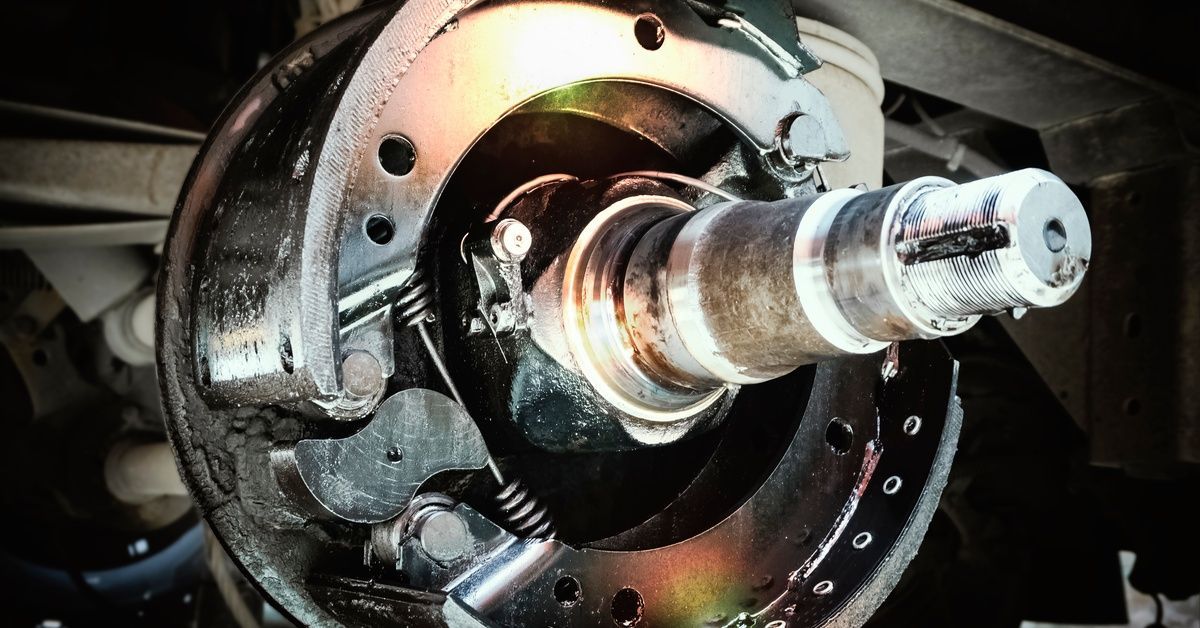
Parts that behave the same way every time make trucking operations easier, smoother, and less stressful. OEM components deliver consistency because they follow the same engineering target as the original build. That shows up in things like brake response that stays steady across axles, suspension parts that sit at the intended ride height, and wheel-end components that hold proper tolerances.
Parts designed exactly for your rig perform consistently, and repeatable performance helps you plan better maintenance windows instead of reacting to surprise problems.
Including Warranty and Support Work

Using aftermarket parts will void most limited warranties. This makes sense, as manufacturers can only guarantee their vehicles work as they design them, not as they operate with third-party components. If you damage your semitrailer because you installed an ill-fitting aftermarket part, your truck’s manufacturer isn’t on the hook.
OEM parts match the manufacturer’s requirements and documentation, and you can’t void your warranty by replacing parts with the manufacturer’s own designs.
Upholding Compliance
Roadside inspections, audits, and internal safety reviews all run smoother when parts match the trailer’s intended setup. This is particularly true when it comes to brake, lighting, and safety-related systems.
OEM parts help you keep records clear and clean because their documentation aligns with the manufacturer’s spec, and the replacement history looks straightforward.
Avoiding Many Labor and Downtime Costs
A cheaper aftermarket part stops being cheap after you spend money on extra repairs and a trailer that misses a shipment. Even though OEM parts usually cost more upfront, here’s where they tend to win the long game:
- faster installs because fitment is accurate
- fewer repeat repairs on the same component
- less troubleshooting time chasing weird symptoms
- better uptime, which keeps revenue moving
You already know what downtime costs. Even a single missed dispatch creates a ripple effect of disaster that nobody enjoys cleaning up. Though you can’t ever fully shield your operations against breakdowns, you can mitigate the risk by using OEM parts.
Supporting the Entire Trailer System
A trailer works like a chain: One weak link compromises the links around it. A slightly off-spec bushing could change wear patterns. A questionable electrical connector might create a voltage drop that messes with other circuits. A “close enough” brake part could alter how the whole axle behaves under load.
OEM parts play nice with the system because the system got designed around them—simple as that.
Making Fleet-Scale Inventory Easier
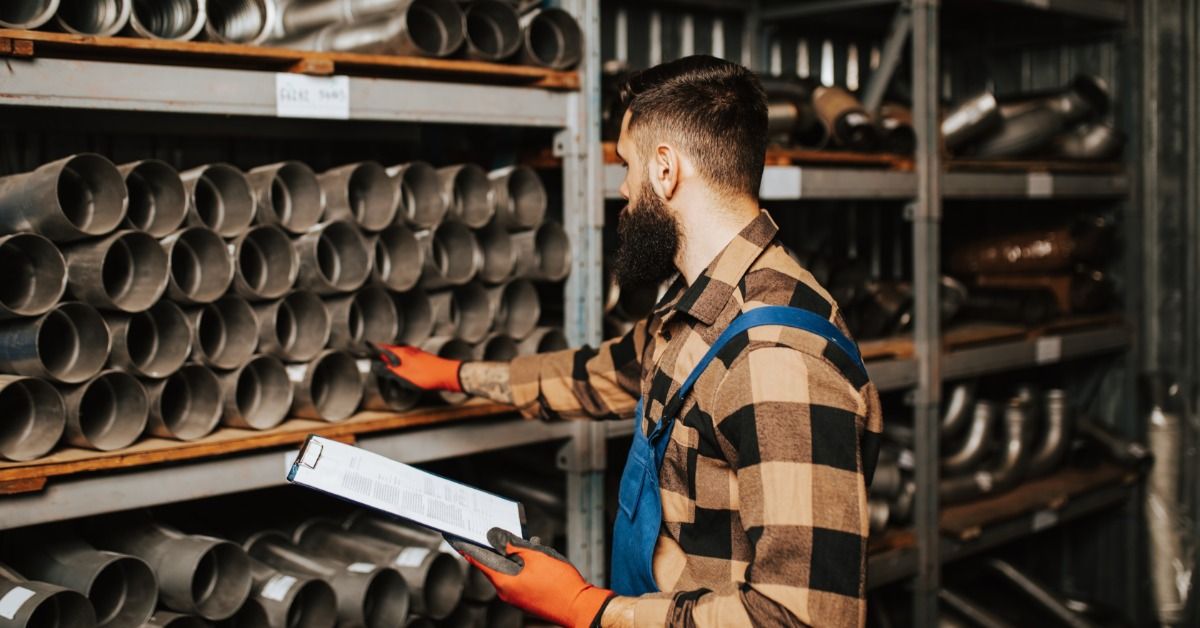
If you manage an entire semitruck fleet, then you need a robust parts supply strategy, and that’s easier with OEM components. Original manufacturers almost always have currently produced parts in stock, meaning you don’t have to scramble when an aftermarket supplier revisits their designs or drops them completely.
OEM parts are widely available and standardized, which speeds up repairs and makes inventory management easier.
When Aftermarket Makes Sense
As we have mentioned, some aftermarket brands build extremely high-quality parts. The issue isn’t inherently the label “aftermarket.” The issue is the lack of regulation that allows a better-than-OEM component to exist in the same shopping category as a poorly-made piece that could destroy your rig.
Here are some cases when choosing aftermarket parts can make sense:
- The component isn’t safety-critical.
- You’ve proven the exact part number works on your units.
- The supplier has a strong reputation and clear specs.
- Your shop has time to validate fit and performance.
Even then, you’ll want consistency across the fleet so drivers don’t end up with trailers that all behave differently. And that’s harder to achieve with small aftermarket parts suppliers that might not have the bandwidth to stock your fleet’s inventory while completing other orders.
OEM parts are almost always available, they’re all the same, and they’re all designed to make your truck function as intended. They might not let you crank the most power out of the engine, but they also won’t harm it.
Final Thoughts: Choose the Part That Protects Uptime
At the end of the day, your trucks earn you money when they work, and OEM parts can help guarantee consistent functioning. They might cost more upfront, but they pay you back through fewer headaches, smoother installs, and steadier performance. Next time someone asks why OEM parts are better than aftermarket trailer parts, you’ll know the answer.
To find the components that keep your operation predictable, safe, and ready for the next load, contact Trailer Tech. We supply a wide variety of OEM and proven truck and trailer parts. We can keep your inventory stocked and your rigs on the road. Get in touch today to discuss your parts needs.