
Navigating the Unique Part Needs of Class 8 Trucks
As the largest and most powerful vehicles on the road, Class 8 trucks transport the majority of freight across the nation. These trucks operate under intense conditions, covering vast distances with heavy loads, which places significant stress on their components.
For fleet managers and drivers, selecting the right parts is essential for ensuring safety, efficiency, and profitability. Success on the road begins with navigating the unique parts needs of class 8 trucks. Understanding these specific requirements is fundamental to maintaining peak operational performance.
What Makes a Class 8 Truck Unique
A class 8 truck is one of the largest in its class, with a gross vehicle weight rating over 33,001 pounds. This category covers vehicles such as semi-trucks, tractor-trailers, and heavy-duty dump trucks. Every part is built for durability and steady performance under heavy loads and long hauls. These requirements set them apart from lighter vehicles because they demand specialized components and expertise for proper maintenance.
The High-Demand Components That Set Class 8 Trucks Apart
Certain components on a Class 8 truck endure more stress than others due to the nature of their work. These systems require parts manufactured to the highest standards to withstand the rigors of long-haul trucking.
Powertrain Components Built for Extreme Loads
The powertrain, which includes the engine, transmission, and axles, is the heart of a Class 8 truck. Engines in these vehicles can have displacements of 15 liters or more and are designed to run almost continuously. Components like pistons, injectors, and turbochargers are subjected to extreme temperatures and pressures.
Similarly, transmissions and differentials must manage enormous torque without failing. Using high-quality replacement parts for the powertrain is essential for maintaining performance and avoiding catastrophic failures that can sideline a truck indefinitely.
Brake Systems Designed for Massive Stopping Power
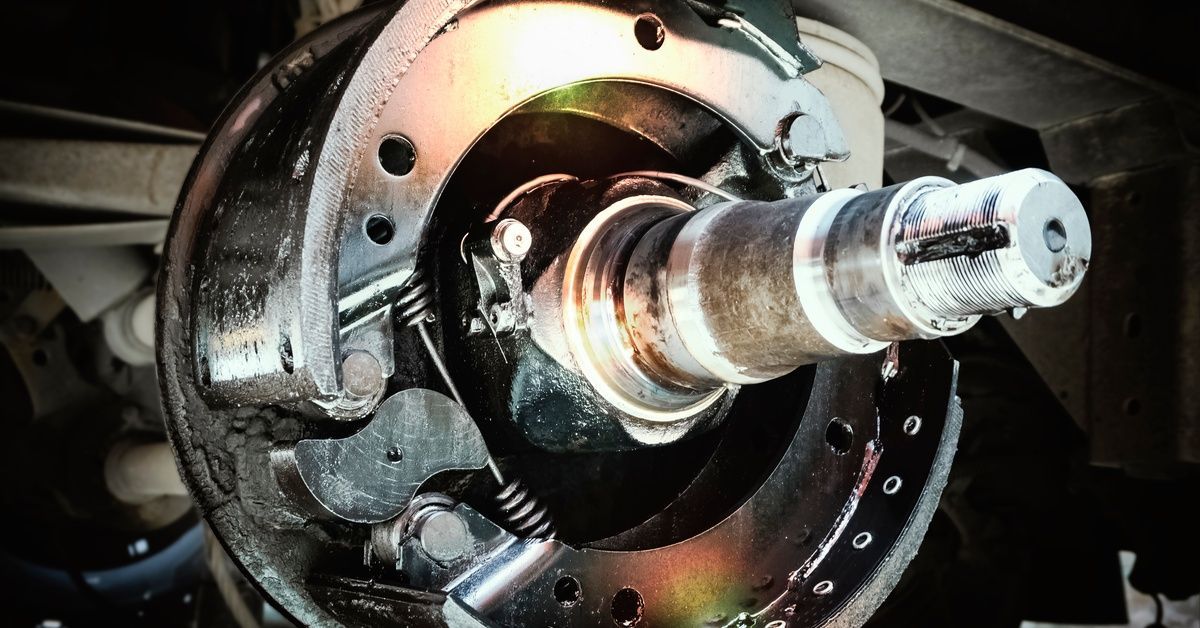
Bringing a fully loaded, 80,000-pound vehicle to a safe stop requires a braking system of immense power and reliability. Class 8 trucks rely on air brake systems, which use compressed air to actuate the brakes.
Key components like brake drums, shoes, slack adjusters, and air compressors are under constant strain. Given the safety implications, there is no room for compromise. Brake parts must meet strict federal standards and be robust enough to handle repeated, hard stops without fading or failing.
Suspension and Steering Components That Absorb Constant Stress
The suspension and steering systems on a Class 8 truck help to provide a comfortable ride, but above all else, they are critical for vehicle control and stability. Parts like shock absorbers and airbags must endure constant vibration and heavy impacts from road imperfections.
Worn suspension components can lead to poor handling and uneven tire wear. Believe it or not, something like this can even lead to driver fatigue. Quality parts in this system contribute directly to driver safety and the structural integrity of the truck and its cargo.
Tires and Wheels Engineered for Long-Haul Demands
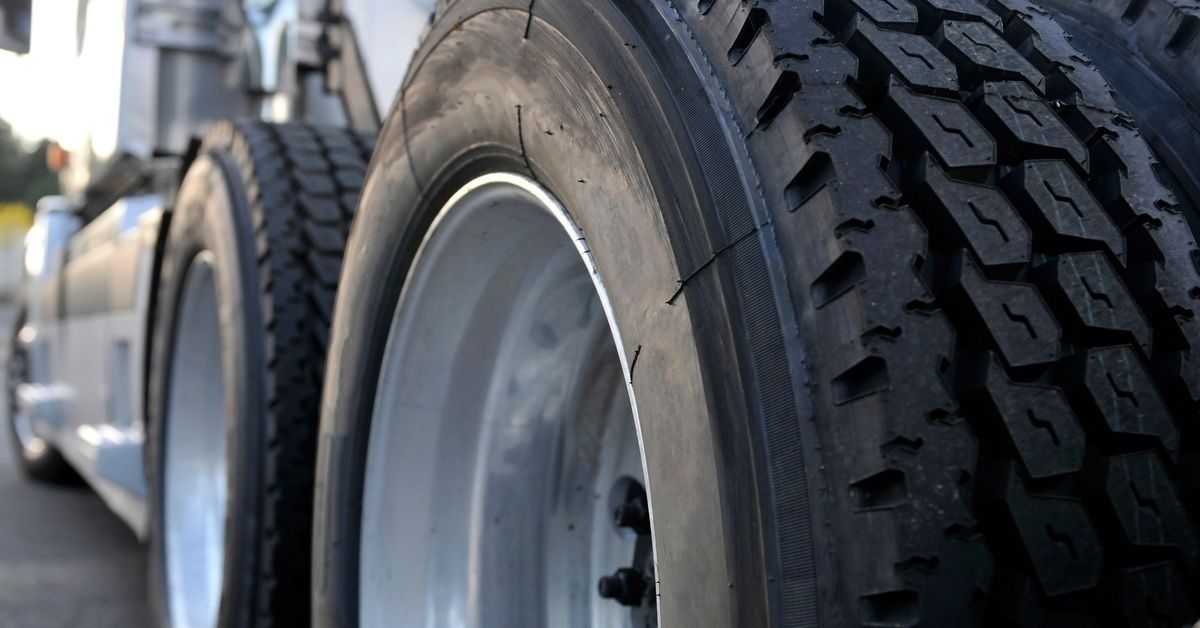
Tires are a major operational expense and a critical safety component. Class 8 truck tires are specifically designed to handle heavy loads, high speeds, and long distances. They must provide optimal traction in various weather conditions while resisting wear.
The wheels and hubs that mount these tires also face incredible forces. Choosing the right tires and wheel-end components for the application can improve fuel efficiency and reduce the risk of dangerous blowouts.
Electrical and Emissions Systems That Must Meet Strict Standards
Modern Class 8 trucks feature complex electrical systems that power everything from engine controls and onboard diagnostics to lighting and driver amenities. Simultaneously, emissions systems, including diesel particulate filters (DPF) and selective catalytic reduction (SCR) technology, are vital for meeting stringent environmental regulations.
A failure in either system can lead to compliance issues or a complete vehicle shutdown. Reliable sensors, wiring harnesses, and after-treatment components are necessary for uninterrupted operation.
OEM vs. Aftermarket Parts: What Fleets Need To Know
When replacing a part, drivers and fleet managers face a choice between original equipment manufacturer (OEM) and aftermarket parts. OEM parts are made by the same company that manufactured the truck's original components. They offer a guarantee of fit and performance, as they are identical to the parts you will be replacing.
Various companies and brands can produce aftermarket parts that typically come at a lower price point. The quality of aftermarket parts can vary drastically, from parts that meet or exceed OEM specifications to those that are inferior.
The Importance of Working With a Knowledgeable Parts Supplier
With so many variables influencing part selection, partnering with a knowledgeable and reliable supplier is invaluable. An expert supplier provides guidance and expertise to help you make informed decisions. They understand the differences between OEM and aftermarket options and can recommend the best solution for your budget and operational needs.
A quality supplier, like Trailer Tech, maintains a comprehensive inventory of high-demand components, such as semi-truck parts in Lubbock, TX. We can get your truck back on the road faster. Our expertise can help you troubleshoot issues and identify the correct parts the first time. This partnership supports efficient maintenance and contributes to lasting vehicle reliability.
How Operating Conditions Influence Part Selection

The specific operating conditions of a truck can have a huge impact on part selection. A truck that primarily runs on smooth, flat highways will experience different wear patterns than one that frequently navigates mountainous terrain or rough construction sites.
For instance, trucks operating in hilly regions will place greater demand on their engines, transmissions, and brakes, potentially requiring more frequent replacement of these components. Vehicles used in dusty environments may need more robust air filtration systems to protect the engine.
Likewise, trucks operating in regions with harsh winters will require parts that can withstand extreme cold and corrosive road salts. Tailoring part selection to the truck's specific application and environment is a key aspect of effective fleet management.
Every mile traveled and every load delivered speaks to the expertise behind a well-maintained truck. For those committed to keeping their vehicles dependable across changing conditions, navigating the unique part needs of class 8 trucks becomes a matter of long-term investment, safety, and pride in the job. The right approach today will help drive steady performance and value for many years to come.