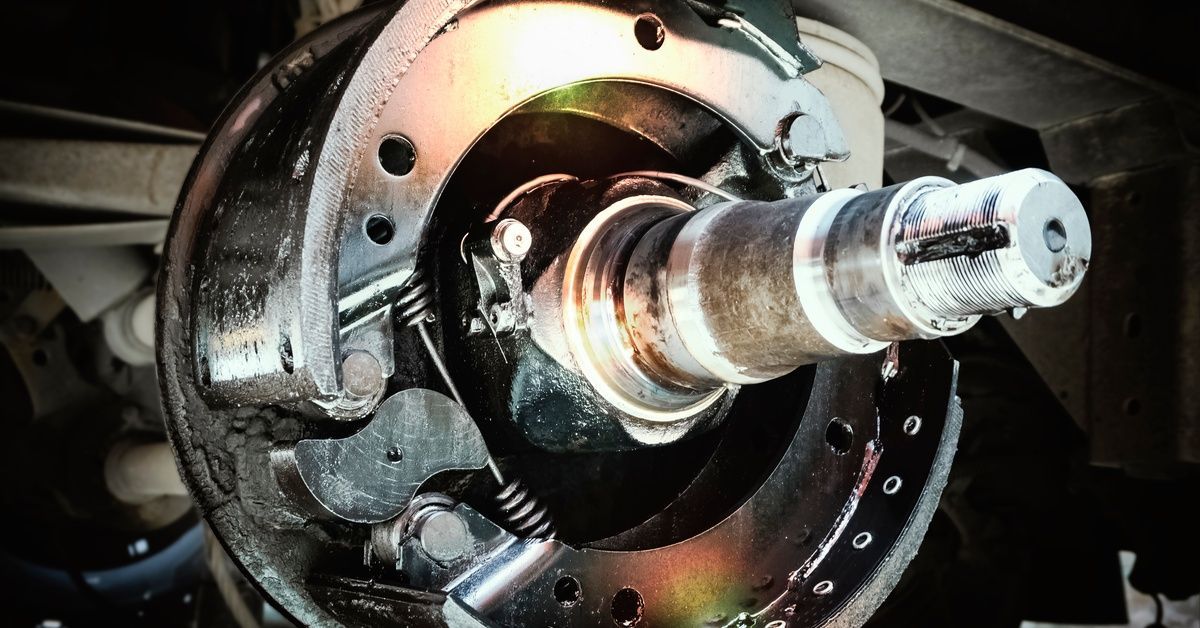

How To Prepare for a Major Parts Replacement Job
As a fleet manager, you know that downtime is your biggest enemy. A single vehicle out of commission can disrupt schedules, delay deliveries, and, as a result, impact your bottom line. That’s why you’ve got to prepare carefully if you’ve got a major parts replacement job coming up.
We know that anticipating the need for a large-scale parts overhaul, such as replacing a trailer’s entire suspension system or overhauling an engine’s core components, is a complex undertaking. We are here to help so you can minimize vehicle downtime, control costs, and maintain your fleet’s operational readiness. Read on for a guide that offers a comprehensive framework for tackling major parts replacement jobs.
Assess the Scope and Create a Detailed Plan
Your first step is to conduct a thorough assessment of the required replacement. This involves more than simply identifying the failed component. A comprehensive diagnosis should determine the root cause of the failure and identify any related parts that may be compromised or near the end of their service life.
A technician’s detailed report is invaluable here. It should catalog every necessary part, from primary components like axles and transmissions to secondary items like seals, gaskets, wiring harnesses, and mounting hardware.
Once you have this complete picture, you can develop a detailed action plan. Your plan should outline the entire repair process sequentially, estimating the time required for each stage. Moreover, it should assign specific responsibilities to your team members, clarifying who will handle parts procurement, who will perform the labor, and who will oversee quality control. This document will serve as your roadmap, providing clarity and structure throughout the job.
Secure High-Quality Parts and Manage Inventory
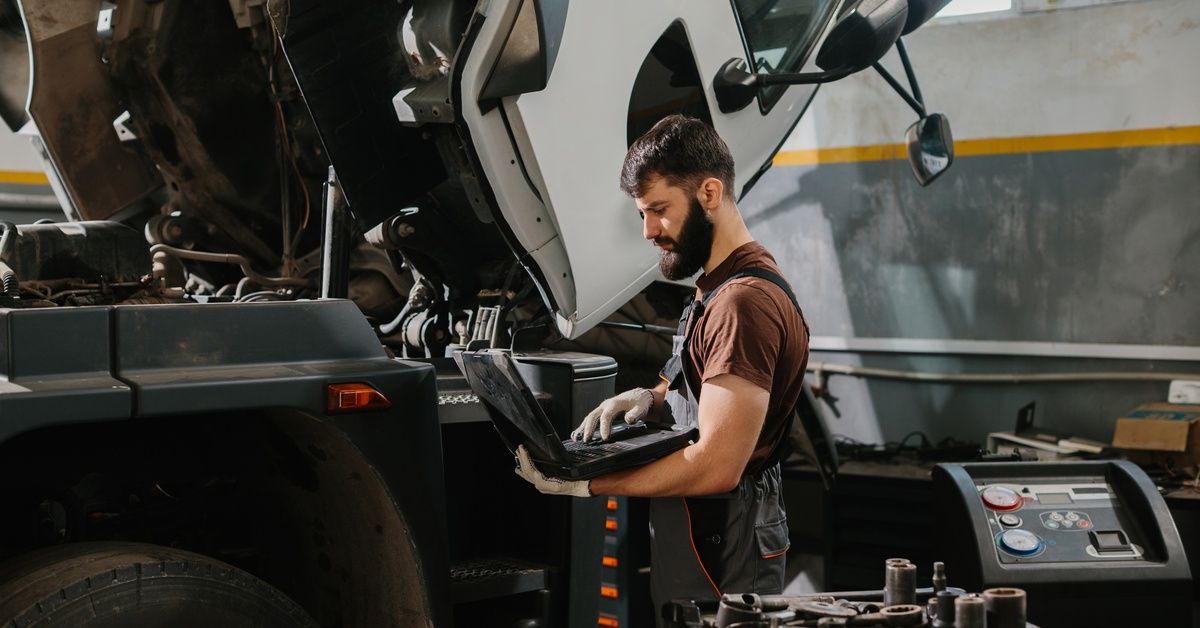
With a complete parts list in hand, you should now shift your focus to procurement. Sourcing high-quality components is essential because substandard parts may offer upfront savings, but they almost always result in premature failures, additional downtime, and increased long-term costs. You should partner with a trusted supplier that provides durable, OEM-equivalent or superior aftermarket parts. Building a relationship with a reliable vendor gives you access to expertise and a wide inventory.
Parts Procurement Strategy
A sound strategy involves several key actions. First, you must verify part numbers and specifications meticulously to avoid incorrect orders. Additionally, you should confirm availability and lead times with your supplier, especially for special-order items. Your procurement plan should also include a contingency for unexpected needs. For example, a technician might discover an additional worn component during disassembly, so having a streamlined process for urgent orders is critical. Proper inventory management also plays a role. Staging all necessary parts before work begins prevents delays and keeps the repair process flowing smoothly.
Partner With Trailer Tech
For fleets operating in or around West Texas, having a local supplier is a tremendous advantage. Trailer Tech offers a comprehensive selection of trailer parts in Lubbock, Texas, with an inventory that includes air brake systems, suspension components, heavy-duty axles, and electrical supplies. Our focus on quality and availability helps fleets minimize downtime by providing the right truck and trailer parts when they are needed most.
Prepare the Vehicle and Workspace
Proper preparation of both the vehicle and the service bay is essential for an efficient and safe repair. The vehicle must be moved to a designated work area, thoroughly cleaned, and secured. Cleaning is not just an aesthetic step; it removes grease, dirt, and road grime that can contaminate new components or hide underlying issues like cracks or leaks.
Technicians should also disconnect the battery and depressurize relevant systems, such as air or hydraulic lines, to create a safe working environment.
At the same time, the workspace itself must be organized. All required tools, from specialty wrenches and diagnostic equipment to lifts and jacks, should be gathered and inspected. A well-organized workspace where tools and parts are readily accessible allows technicians to work uninterrupted. This level of organization contributes to a faster, safer, and more professional repair process.
Execute the Replacement and Document Everything
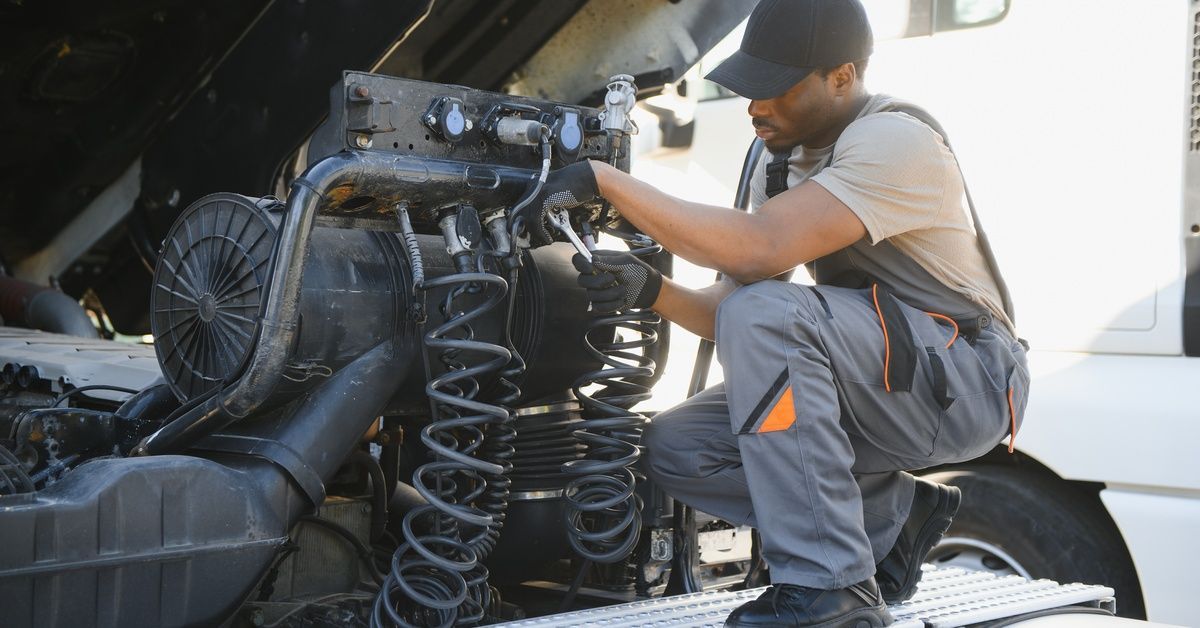
With everything in place, the technical team can begin the replacement. The process should start with the careful disassembly of the old components. As parts are removed, technicians should keep them organized and labeled. This practice is crucial for verifying that all old hardware has been removed and for troubleshooting if any issues arise during reassembly.
The Importance of Documentation
Throughout the execution phase, meticulous documentation is a must. Technicians should log their progress, noting the time spent on each task and detailing any unexpected findings. They must also photograph critical stages of the repair, such as the condition of the old parts, the state of the mounting surfaces before new installation, and the final assembly.
This visual record serves multiple purposes. It provides a valuable reference for future repairs, supports warranty claims, and acts as a quality control measure. Consistent documentation creates a detailed service history that enhances the vehicle’s value and informs future maintenance decisions.
Verify the Repair and Return to Service
After installing the new components, the job is not yet complete. A rigorous verification process is necessary to confirm the quality and correctness of the repair.
The first step is a thorough quality control inspection. A senior technician or shop foreman should review the work, checking that all parts are installed correctly, all fasteners are torqued to manufacturer specifications, and all connections are secure.
Following the visual inspection, the vehicle must undergo functional testing. This may include static tests in the bay, such as starting the engine, checking for leaks, and cycling through system functions.
The final step is a comprehensive road test. The road test should simulate real-world operating conditions, allowing the driver to check for unusual noises, vibrations, or performance issues. Only after the vehicle successfully passes all stages of verification should it be officially returned to service.
Strengthen Your Fleet With Proactive Maintenance
Successfully preparing for and navigating a major parts replacement job is possible if you follow these tips. And remember that each large-scale repair offers lessons that can inform your PM schedules and inspection criteria. By meticulously planning and executing these complex jobs, you not only restore a vehicle to optimal condition but also enhance your team’s skills and processes. A well-prepared fleet is a resilient fleet, ready to meet the demands of the road and drive your business forward.