
Choosing the Right Service Partner for Fleet Maintenance
As a fleet manager, you know that keeping your vehicles on the road is essential to your company’s success. Your fleet is the engine of your business, and its reliability is what supports your bottom line. Therefore, an effective maintenance strategy is crucial, but handling all repairs in-house is not always feasible or cost-effective. That’s why you need to select an external service partner to arrange inspections, routine maintenance, and parts supply. The right partner acts as an extension of your team, while the wrong one can cause operational headaches and financial strain.
But how do you sort through the options and identify a provider you can trust? This guide explores the essential criteria for choosing the right service partner for fleet maintenance. We will help you ask the right questions and evaluate potential providers thoroughly.
Define Your Fleet’s Maintenance Needs
Before you can find the right partner, you must have a complete picture of your own requirements. Every fleet is different, with unique vehicle types, operational demands, and maintenance schedules. A clear understanding of your needs will provide a benchmark against which you can measure potential service providers.
Start by documenting the specifics of your fleet. What types of vehicles do you operate? Consider the mix of trucks, trailers, and specialized equipment. Additionally, review your maintenance history to identify common repair issues and typical service intervals. This data will help you articulate exactly what you need from a partner.
Next, think about the scope of services required. Are you looking for a provider to handle routine preventive maintenance, or do you also need a partner capable of complex engine diagnostics, transmission repairs, and bodywork? Some fleets may require specialized services like tanker inspections or custom fabrications.
Create a detailed list of your essential maintenance tasks, desired service level agreements, and any specific certifications your fleet requires. This foundational work will empower you to find a partner truly equipped to support your operations.
Evaluate Technical Expertise and Certifications

A service partner’s technical proficiency is nonnegotiable. Your vehicles are sophisticated assets, and their maintenance demands a high level of skill and knowledge. Therefore, when you’re evaluating potential providers, their technicians’ qualifications should be a primary area of focus. Do they have industry-recognized certifications, such as those from the National Institute for Automotive Service Excellence (ASE)?
Technician Training and Specialization
Inquire about the provider’s approach to ongoing training. The transportation industry evolves rapidly, which means new technologies and regulations are emerging constantly. A top-tier partner invests in continuous education to keep their team updated on the latest advancements.
Moreover, consider whether their technicians specialize in your specific vehicle makes and models. A shop with deep experience in your type of equipment will diagnose issues more accurately and complete repairs more efficiently.
Necessary Equipment and Facilities
The quality of a provider’s facility and equipment also speaks volumes about their capabilities. A well-organized, clean, and modern shop reflects a commitment to quality and professionalism. Do they have the necessary diagnostic tools, lifts, and specialized machinery to service your fleet effectively? If you can, visit their shop to get an idea of their standards in this area.
However, much of the work that your partner will perform will be onsite at your facility. Therefore, you must also make sure that they have the necessary portable tools and won’t rely on you to equip their work.
Assess Reputation and Reliability
A service partner’s reputation is a powerful indicator of their reliability and quality of work. While a provider can make many promises, their track record with other clients reveals their true performance.
Customer Reviews and Testimonials
Start by looking for online reviews and testimonials. While you should take individual reviews with a grain of salt, pay attention to the overall sentiment. Look for recurring themes in customer feedback. Are clients consistently praising their communication, timeliness, and quality of repairs? Or are there repeated complaints about delays, unexpected costs, or poor workmanship?
Industry References
Requesting and checking references is a critical step. A reputable provider will gladly connect you with some of their long-term clients. When you speak with these references, ask specific questions about their experience. Inquire about the provider’s communication practices, ability to meet deadlines, fairness in pricing, and how they handle unexpected problems. These firsthand accounts offer an unfiltered look at what it is like to work with the provider day in and day out.
Consider the Range of Services and Parts Availability
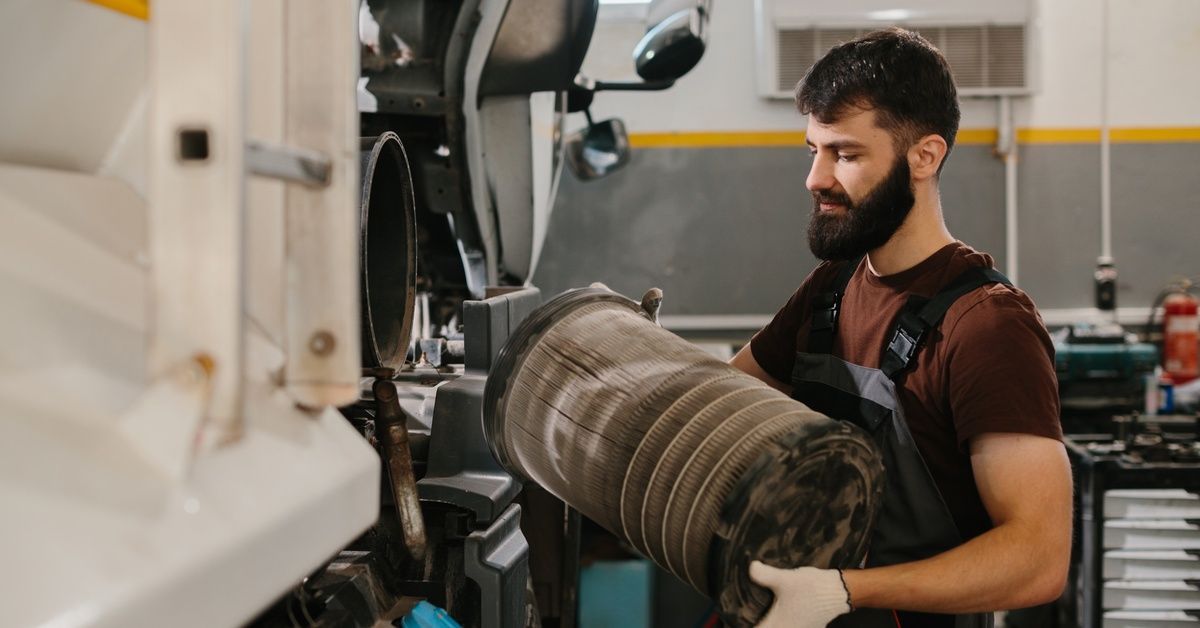
An ideal service partner offers a comprehensive range of services that align with your fleet’s diverse needs. Partnering with a single provider who can handle everything from routine maintenance to major overhauls can streamline your operations. It simplifies scheduling, billing, and communication, saving you valuable time.
So investigate whether the provider offers specialized services that your fleet might require. These could include aluminum welding, fabrication repairs, tanker inspections and testing, or work on truck bodies and flatbeds. Having a partner with these capabilities on hand prevents you from having to search for a different specialist every time a unique issue arises.
Moreover, inquire about their parts inventory. A provider with a well-stocked parts department can begin repairs immediately, which is crucial for minimizing vehicle downtime. Ask them about their supply chain and their process for sourcing parts they do not have in stock. The ability to source parts for semi-trailers, hitches, axles, and lights efficiently is a hallmark of a dependable service partner.
Your Partner in Fleet Excellence
Choosing the right service partner for fleet maintenance is key to supporting your fleet’s performance, safety, and profitability. A reliable partner does more than just fix vehicles; they provide peace of mind and contribute to your operational success. By thoroughly evaluating a provider’s technical expertise, reputation, range of services, and parts availability, you can build a lasting relationship grounded in trust and quality.
If you operate in West Texas and are looking for a trusted partner to handle your fleet’s maintenance needs, consider Trailer Tech. With over 30 years of experience since our establishment in 1992, we have built a reputation for reliable, honest service across Lubbock, Odessa, and the surrounding areas. Our expert technicians are equipped to handle everything from sourcing trailer repair parts to performing complex repairs, tanker inspections, and aluminum welding. We are committed to minimizing your downtime and maximizing the lifespan of your equipment with high-quality parts and efficient service. Contact us today to discuss how we can help keep your fleet rolling.