
All About Emission System Specifications in Diesel Trucks
You’re out there running routes every day, and we know your diesel truck’s emission system isn’t exactly your favorite topic. But here’s the thing: Understanding these systems saves you downtime, money, and headaches at inspection stations. This guide covers all about emission system specifications in diesel trucks so you can keep your rig running clean and compliant.
The Core Components You Need To Know
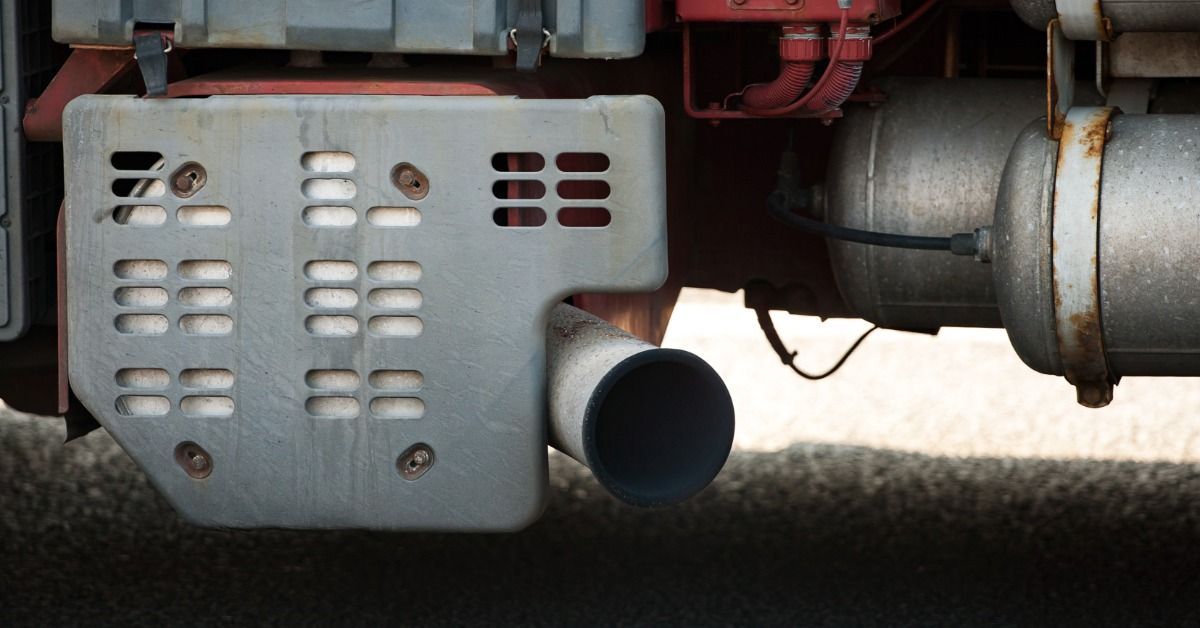
Modern diesel emission systems pack several components under the hood, and each one plays a specific role in meeting EPA standards.
Diesel Particulate Filter (DPF)
Your DPF is a sophisticated filter that traps up to 95% of soot particles before they exit the exhaust. The system burns off accumulated soot through a process called regeneration, which happens automatically while you drive. Active regeneration kicks in when the computer detects the filter reaching capacity, and it raises exhaust temperatures to around 1,000°F to incinerate the trapped particles.
Most modern DPFs require regeneration every 300–500 miles, depending on your driving conditions. Stop-and-go city driving forces more frequent regens than highway miles. Your dash will light up with warnings if regeneration gets interrupted too many times.
Selective Catalytic Reduction (SCR)
SCR systems add diesel exhaust fluid (DEF) to the exhaust stream to break down nitrogen oxides (NOx) into harmless nitrogen and water vapor. DEF is that blue liquid you’re topping off every few thousand miles. The system reduces NOx emissions by up to 90%, making it the workhorse of your emission control setup.
Your truck’s computer monitors DEF quality and fluid levels constantly. Contaminated DEF or running dry triggers engine derates, meaning your truck drops to crawl speed really fast. DEF freezes at 12°F, but the system includes heaters to keep it flowing. A 2.5-gallon DEF tank typically handles about 300 miles, though your mileage varies based on load and driving conditions.
Exhaust Gas Recirculation (EGR)
EGR systems route a portion of exhaust gases back into the engine cylinders, lowering combustion temperatures and reducing NOx formation. Cooler EGR systems run exhaust through a cooling loop before reintroduction, improving effectiveness while managing engine temperatures.
EGR valves and coolers accumulate carbon deposits over time, restricting flow and reducing efficiency. Symptoms include rough idling, reduced power, and increased fuel consumption. Regular maintenance intervals at 100,000–150,000 miles help prevent valve failures that sideline your truck.
Emission Standards Driving These Specs

The EPA’s emission regulations have tightened dramatically since 2007, pushing manufacturers to develop increasingly sophisticated systems.
Current EPA Requirements
Heavy-duty diesel engines must meet NOx limits of 0.20 grams per brake horsepower-hour (g/bhp-hr) and particulate matter limits of 0.01 g/bhp-hr.
Bear in mind that this is the federal standard; some states, like California, have stricter requirements. Additionally, the EPA’s Cleaner Trucks Initiative continues evolving, with discussions around even stricter NOx standards potentially dropping to 0.05 g/bhp-hr for model year 2027 and beyond. Fleet managers need to watch these developments when planning equipment purchases and replacements.
What This Means at the Roadside
You must keep your truck’s diesel emissions compliant because a failed inspection can be costly.
Inspection officers check for tampering, proper DEF levels, and functioning emission warning lights. A disabled or deleted emission system results in immediate out-of-service orders in most jurisdictions. Fines range from $2,500-$5,000 per violation for owner-operators, with fleet penalties climbing much higher.
Maintenance That Keeps You Rolling
Now that you know all about emission system specifications in diesel trucks, it’s time to learn how to maintain your system for optimal, compliant functionality.
DPF Care
The easiest way to take care of your DPF is to use ultra-low sulfur diesel (ULSD), as is required by EPA law. This fuel burns cleaner and produces less soot.
As for regenerations, if you can’t perform them during normal operations, you’ll have to perform them parked. Find a safe spot away from dry grass or flammable materials, as those exhaust temperatures get dangerous. The process takes 20–40 minutes.
Then, every 150,000-200,000 miles, schedule professional DPF cleaning to remove ash buildup that regeneration can’t burn away. This service extends filter life considerably.
SCR System Maintenance
To maintain your SCR system, use only API-certified DEF from reputable suppliers. Contaminated fluid damages the SCR catalyst, injector, and sensors.
The fluid’s storage matters too—keep DEF containers sealed and away from direct sunlight. DEF degrades over time, losing effectiveness after 12 months in storage or two years in a sealed container.
Another thing to remember is that the DEF injector atomizes fluid into the exhaust stream, but these injectors fail eventually, usually between 150,000 and 300,000 miles. Symptoms include DEF consumption dropping to zero (the system stops dosing) or DEF use skyrocketing (injector stuck open). If either of these happens, you must schedule an injector replacement.
EGR Maintenance
EGR maintenance involves valve cleaning at intervals that depend on your operation. Carbon buildup restricts valve movement, triggering check engine lights and reducing performance. Urban delivery trucks need attention every 75,000–100,000 miles, while long-haul operations might stretch to 150,000 miles.
You also need to address EGR cooler replacement. Some fleets schedule it preventively at high mileage rather than waiting for failure. Cooler failures dump coolant into the exhaust system, creating white smoke and potential engine damage.
Troubleshooting Common Emission System Issues
Your truck talks to you through warning lights and performance changes. Here are some signals that your rig is experiencing emissions-related issues:
- Poor fuel economy combined with black smoke (points to incomplete regenerations or DPF issues)
- White smoke with a sweet smell (indicates coolant entering the exhaust, likely from EGR cooler failure)
- Blue smoke (suggests oil consumption, possibly from turbocharger or engine issues affecting emission performance)
- DEF quality warnings (these mean contamination or degraded fluid)
Final Thoughts From Trailer Tech
Your emission system protects air quality while meeting regulations that keep your operating authority active. Understanding these specifications helps you maintain your individual truck or fleet properly, avoid costly breakdowns, and stay compliant during inspections.
We’ve covered these emission system specifications so you can make informed decisions about maintenance, troubleshooting, and fleet planning. And when it’s time to schedule related maintenance or repairs, let Trailer Tech be of help. We can inspect your rig and fix whatever’s wrong, as well as supply you with heavy-duty truck parts for your fleet’s inventory or in-house maintenance efforts. We’re here to help you take care of your emissions systems so that they’ll take care of you on the road.