
Why You Should Inspect Your Trailer Roof and Floor
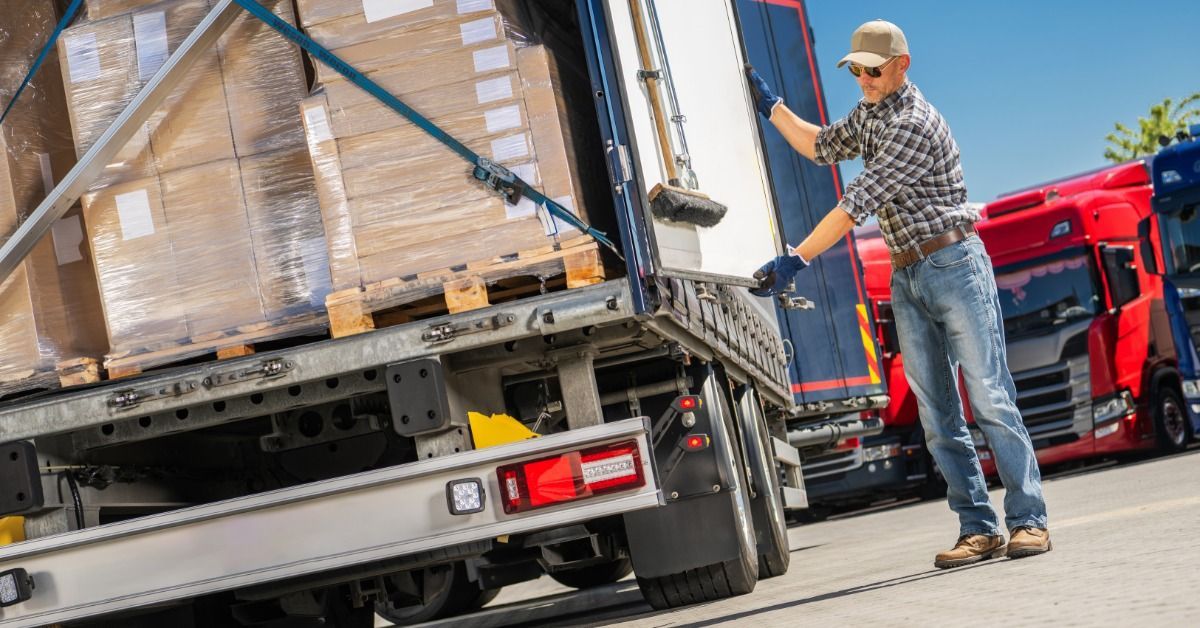
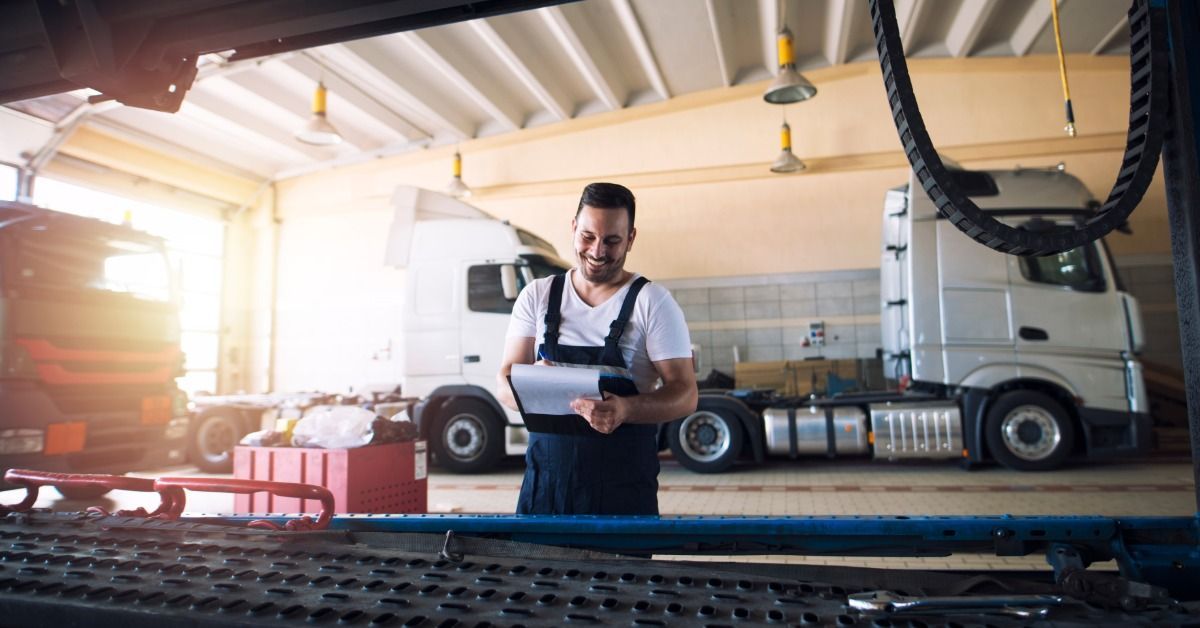
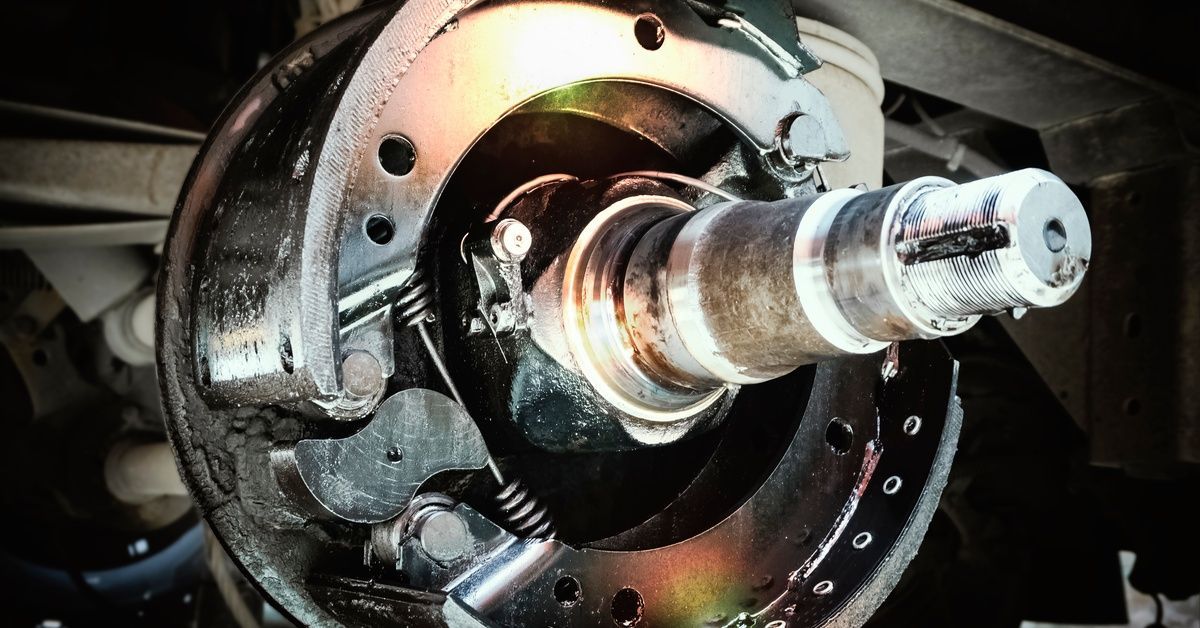
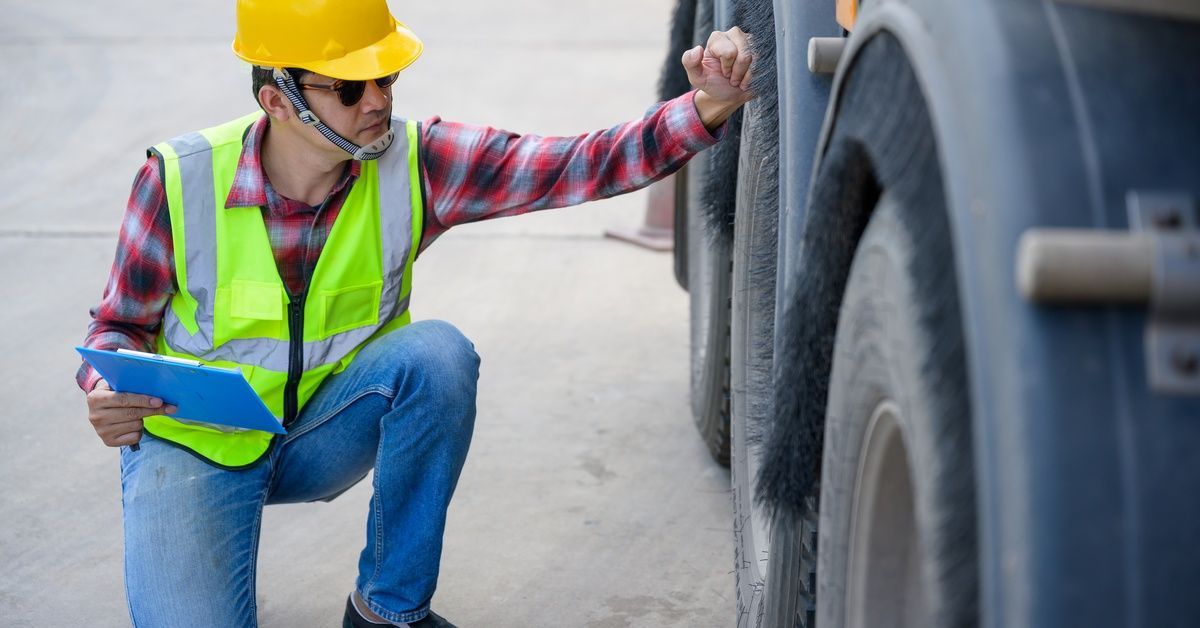
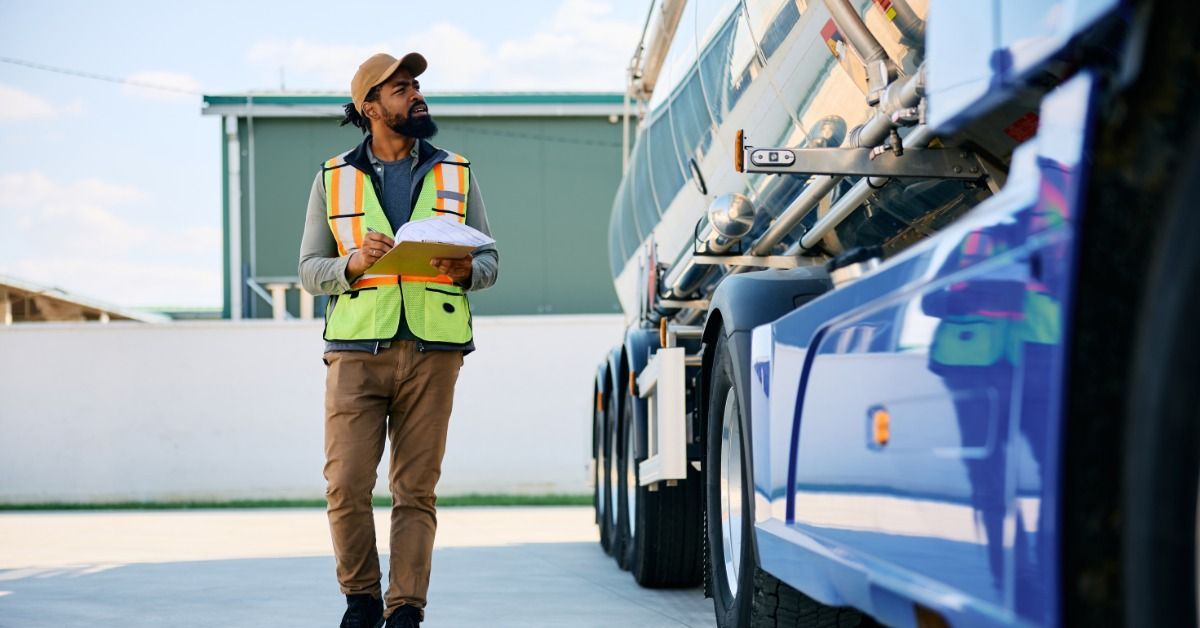
Every trucker is used to performing routine inspections on their rig. After all, you have to—unless you want to get hit with hefty fines after surprise DOT inspections that revealed something broken or out of date. But when most truckers think of inspections, they imagine running through the engine, the tires, the undercarriage, and the other parts of a semitrailer that are always moving. Because of this, the roof and floor of the trailer might not be top of mind.
And though some damage to these areas probably isn’t going to leave you stranded on the side of a highway, it’s worth checking for. Here’s exactly why (and how) you should inspect your trailer roof and floor .
Your Roof Gets Roughed Up More Than You Think
Most drivers spend their time worrying about what’s at eye level (e.g., tires, brakes, lights). That makes sense. But while you’re focused on ground-level issues, your trailer roof is up there taking a beating from the sun, rain, hail, tree branches, and everything else the road throws at it.
The Cost of Roof Damage
A compromised roof isn’t just an eyesore. The biggest possible issue is water intrusion, which will destroy your cargo and possibly void insurance claims. One small crack or separation in the roof membrane becomes an invitation for moisture to seep in and cause insulation failure, metal corrosion, and cargo damage.
What You Need to Check Up Top
You don’t need to be a mechanic to spot trouble on your roof. Here’s a quick list of what to look for:
- Roof membrane condition: Look for cracks, bubbles, tears, or separations along the seams.
- Fastener integrity: Check all screws, rivets, bolts, and mounting hardware for rust or looseness.
- Clearance damage: Inspect for scrapes, dents, gouges, or punctures from low bridges or tree branches.
- Edge and corner seals: Pay special attention to front corners, rear doors, side rails, and any seam where two surfaces meet.
If you regularly inspect these areas, you should be able to spot what could become serious trouble down the road. By catching it early, you can fix it before the damage ruins one of your hauls.
The Floor: Your Trailer’s Constantly Used Foundation
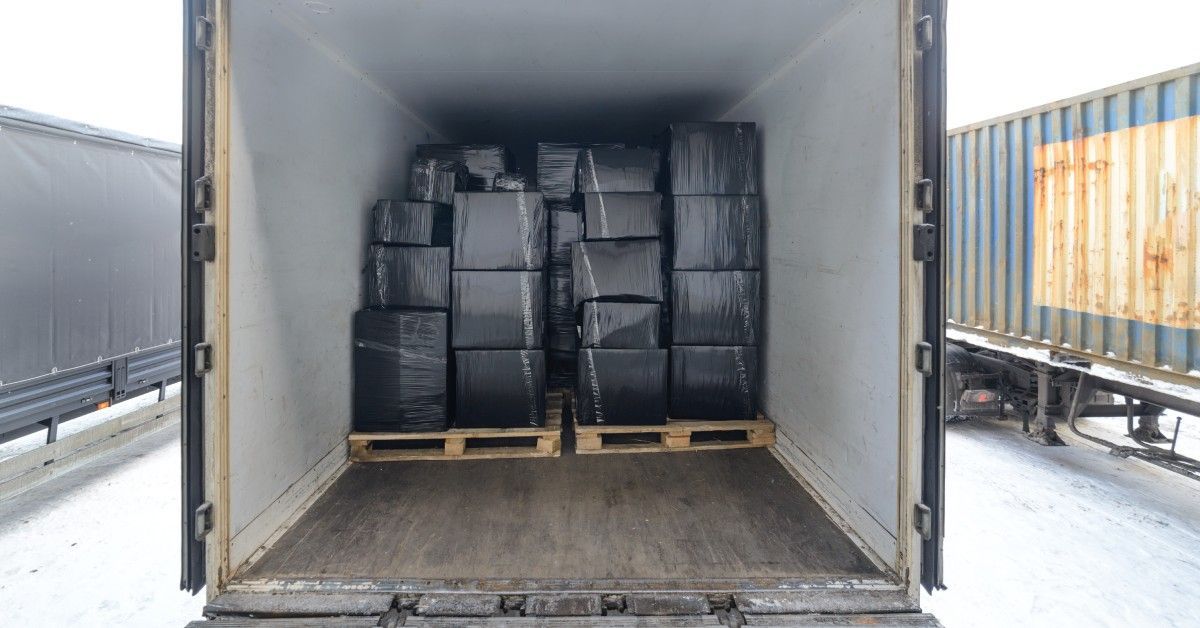
While roof problems sneak up on you from above, floor issues announce themselves loud and clear—but by then, you’re already in trouble. A compromised floor puts your cargo at risk, fails DOT inspections, and puts you and everyone else on the road in danger.
How Floors Fail
Trailer floors are constantly subjected to heavy wear and tear. Forklifts drive across them, heavy pallets drop on them, liquids spill on them, temperature swings stress them, and so forth. All this daily use adds up, and the last thing you want is for your floor to give way because you didn’t watch for the signs of trouble.
Floor Inspection Checklist
You need to check your floor regularly, and this means doing more than glancing at it and ticking a box if you don’t see gaping holes. Here’s your game plan:
- Walk the entire floor: Feel for soft spots (if there are wooden elements), listen for hollow sounds, watch for flexing, and note any areas that feel different under your weight.
- Look for visible damage: Search out cracks, holes, rust spots, and any other signs of deterioration.
- Check crossmember attachment: Make sure the floor is securely fastened to the trailer frame, with no separation or loose bolts.
- Inspect threshold areas: The rear door threshold, side door openings, forklift entry points, and high-traffic zones are subjected to the most wear, so check these carefully.
Prevention Beats Panic Every Time
Smart drivers don’t wait for problems to find them. They stay ahead of trouble with regular inspections and preventive maintenance. This saves you money, keeps you rolling, protects your cargo, and maintains your professional reputation. So even though your trailer’s roof and floor might not seem like the most crucial features to inspect, they deserve a spot in your checklist.
How Often To Inspect
Do weekly visual inspections for obvious damage, monthly detailed examinations, seasonal deep dives before extreme weather hits, and post-incident reviews after any accident or road hazard. And in general, just be aware of your trailer’s condition. If you open the rear door and smell mold, check extra carefully for water intrusion points. If you feel your cargo shifting around while you’re driving, then pull over immediately and check for problems with the floor. Being continuously in tune with and aware of your vehicle is the best way to prevent the biggest failures and bills.
DIY vs. Professional Repair for Your Roof and Floor
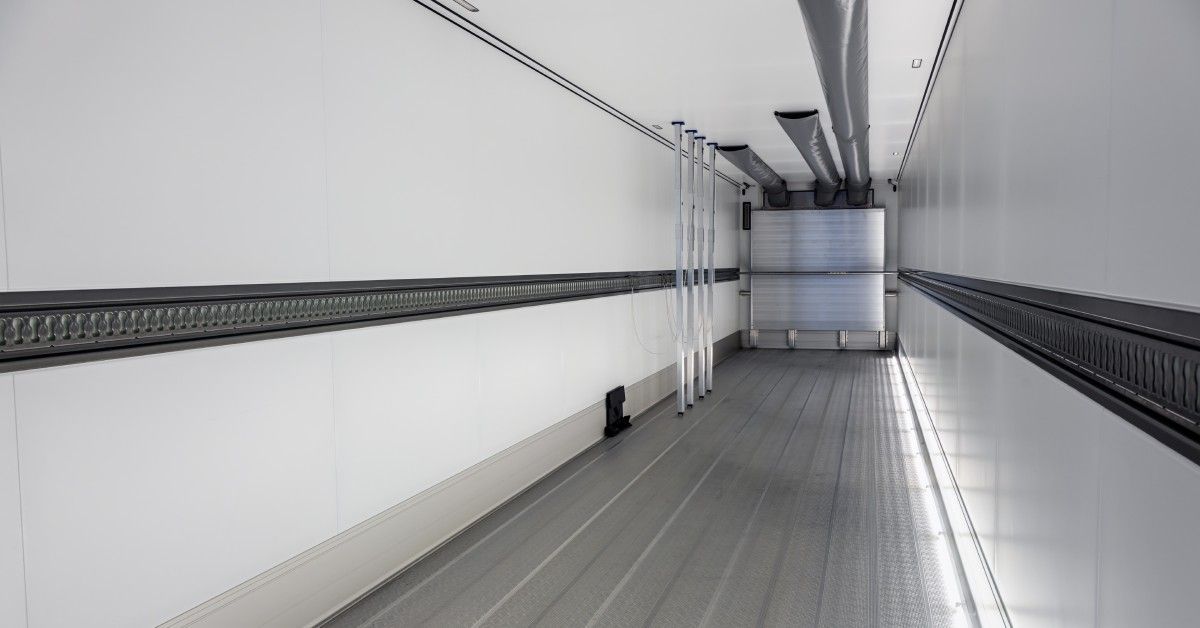
Sometimes, you’ll spot an issue you can fix on your own in a truck stop parking lot with basic tools. Other times, however, you’ll encounter something that is more complicated or extensive than what you should handle.
Structural damage, major leaks, and frame issues—for example—need professional repair expertise. Trying to patch serious problems with temporary fixes just postpones the inevitable.
You need a shop that understands commercial trailers, stocks quality parts, employs experienced technicians, and respects your time. The right repair facility will get you back on the road quickly and correctly.
Trailer Tech: Professional Help When You Need It
When inspection reveals issues that need professional attention, Trailer Tech can help you out. With locations in Lubbock and Odessa, Texas, we specialize in comprehensive trailer service and repairs that get owner-operators and fleet drivers back on the road fast.
Our experienced technicians handle brake systems, suspension work, electrical repairs, welding, axle service, lift gate installation, DOT inspections, and custom fabrication. We are also committed to working efficiently without sacrificing quality because we know downtime costs you money. If you’re based in or traveling through West Texas, give us a call for comprehensive trailer support.
Wrapping Up
Your trailer is your livelihood—the vehicle that puts food on your table. Neglecting roof and floor maintenance might not be the most serious crime in the maintenance book, but it could lead to serious trouble. If you ignore these areas long enough, it could cost you big.
Here’s the crux of why you should inspect your trailer roof and floor : it’s cheaper and smarter. Better to spend fifteen minutes checking for problems than to spend fifteen hours broken down or explaining to your customer why their freight got water damage.
Regular inspections help you catch problems early, plan repairs on your schedule, maintain your trailer’s value, and avoid costly breakdowns. Put the floor and roof on your maintenance checklist today!