
Essential Semitruck Parts Every Fleet Should Keep in Stock
When a semitruck in your fleet goes down, every minute counts. If you don’t have the means to make quick repairs, then the costly downtime can eat into your bottom line. On the other hand, if you keep a few essential semitruck parts in your fleet’s stock , you can help your operation stay moving, even when the unexpected happens. Some parts wear out faster than others, and certain components are more prone to failure under heavy use. Knowing which ones to prioritize can save you time, money, and a lot of frustration. Let’s look at the parts every fleet should have ready to go.
Clutches and Clutch Accessories
Clutches take a beating, especially in stop-and-go traffic or hilly terrain. When a clutch fails, your truck isn’t going anywhere. Having clutches and clutch accessories in stock means you can handle replacements without waiting on a supplier.
Common clutch accessories include release bearings, pilot bearings, and clutch forks. These smaller components often wear out alongside the clutch itself. Replacing them together prevents repeat failures and gets your truck back on the road faster.
Brakes and Drums
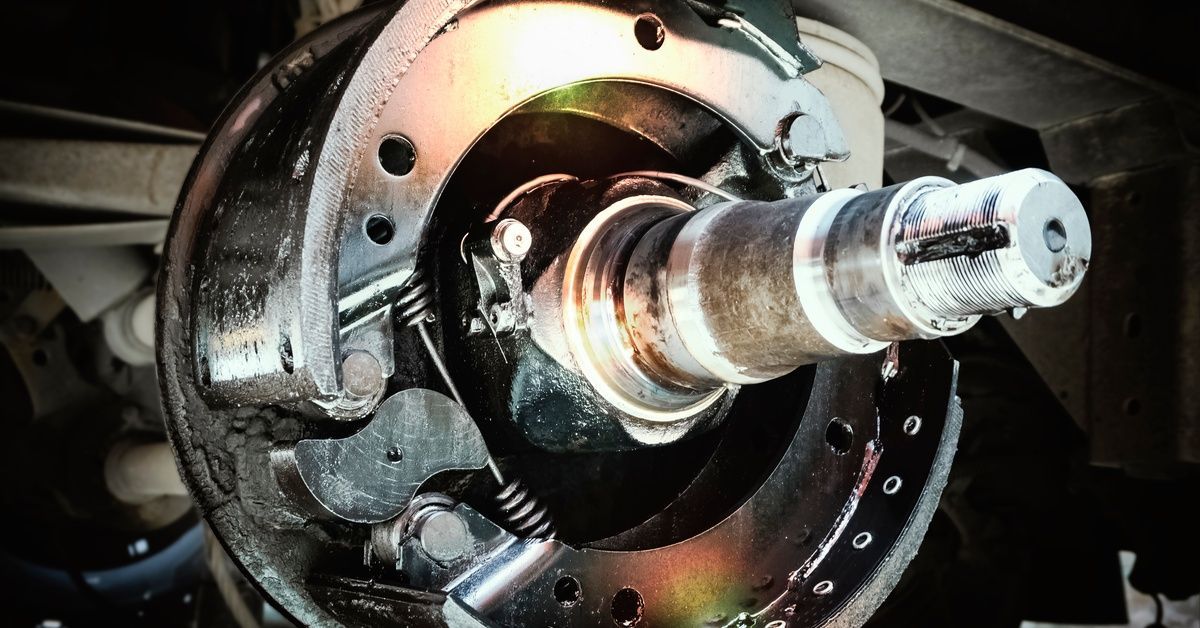
Brakes wear down over time, particularly on trucks that haul heavy loads or operate in mountainous areas. Cracks or excessive wear can compromise braking performance, putting drivers and cargo at risk. Moreover, federal regulations require regular brake inspections, and worn brakes can sideline a truck until they’re replaced.
Keeping brake pads, shoes, and drums in your inventory helps you stay compliant and avoid fines. Stock a variety of sizes to cover different truck models in your fleet.
Starters and Alternators
Electrical failures rank among the most common reasons for roadside breakdowns, and starters and alternators are two of the biggest culprits. A dead starter leaves a truck unable to start, while a faulty alternator drains the battery and shuts down electrical systems.
These components are relatively straightforward to replace, making them ideal for in-house repairs. Keep a few starters and alternators on hand, particularly for your most frequently used truck models. This small investment can prevent major delays.
Air System Components
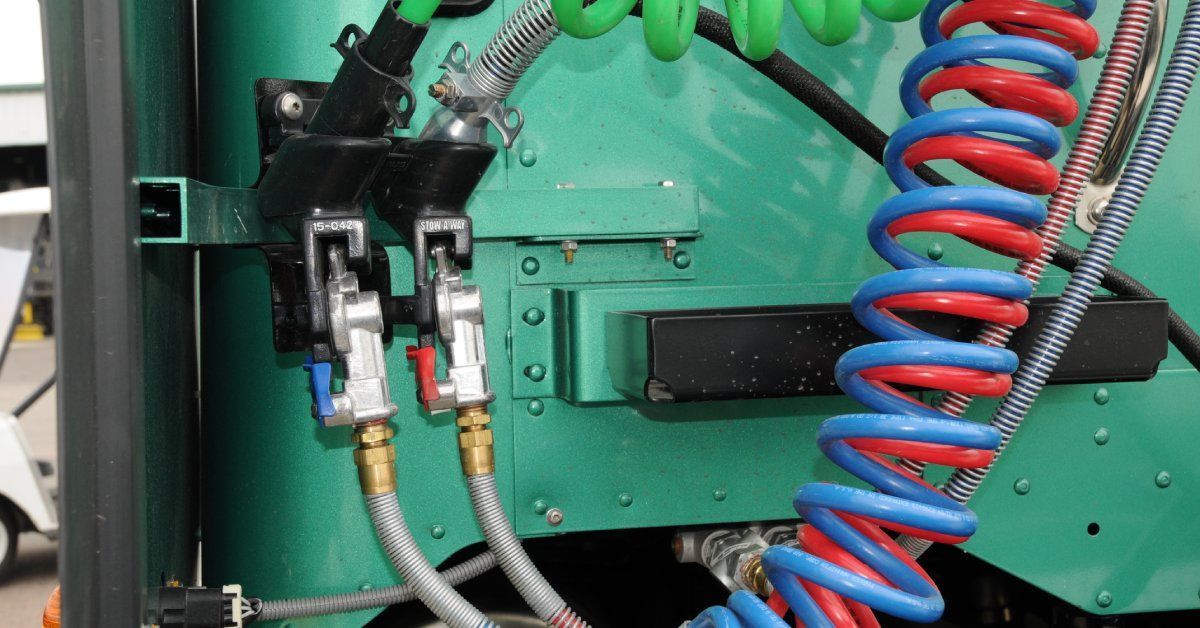
The air system powers critical functions like brakes, suspension, and transmission shifting. When air system components fail, the entire truck can become inoperable. Stocking these parts minimizes downtime during repairs:
- Air dryers remove moisture from the air system, preventing corrosion and freeze-ups in cold weather.
- Truck air compressors generate the compressed air needed for braking and other pneumatic systems.
- Airbags (cabin and regular) support the truck’s suspension and improve ride quality.
- Air lines and fittings wear out over time, and small leaks can reduce system pressure, leading to sluggish braking or suspension issues.
Shocks and Suspension Parts
A reliable suspension system protects your cargo, improves driver comfort, and extends the life of other truck components. Conversely, worn shocks can prevent the suspension from functioning properly, leading to uneven tire wear, reduced stability, and a rougher ride that fatigues drivers.
Shocks aren’t the only suspension part worth stocking. Kingpins and torque rods also play a vital role in maintaining stability and alignment. Kingpins connect the tractor to the trailer and endure constant stress during turns. Torque rods stabilize the axle and prevent excessive movement. Both components wear out over time and should be replaced before they fail.
Power Take-Offs (PTOs) and Hydraulic Pumps
For fleets that rely on specialized equipment—like dump trucks, mixers, or tow trucks—PTOs and hydraulic pumps are essential. These components transfer power from the engine to auxiliary equipment.
PTOs can wear out or develop leaks, while hydraulic pumps may fail due to contamination or pressure issues. Keeping spares on hand lets you swap out faulty units quickly, avoiding costly delays on job sites.
Water Pumps
Overheating is one of the fastest ways to cause serious engine damage. Water pumps circulate coolant through the engine, preventing it from running too hot. When a water pump fails, the engine loses its ability to regulate temperature, leading to potential catastrophic failure.
Water pump failures aren’t always predictable, but they’re common enough that every fleet should have a few in stock. Look for signs like coolant leaks, unusual noises, or rising engine temperatures. Catching a failing water pump early can save you from a much more expensive engine rebuild.
Power Steering Boxes

Steering issues can make a truck unsafe to operate. Power steering boxes control the hydraulic pressure that makes steering easier, particularly at low speeds or during tight maneuvers. When they fail, steering becomes stiff and difficult, putting drivers at risk.
Leaks are the most common sign of a failing power steering box. Low fluid levels can cause the system to lose pressure and become harder to steer. Stocking power steering boxes and the necessary hydraulic fluid is an easy way to keep your trucks safe and operational.
A/C Parts and Freon
Comfortable drivers are safer and more productive. That’s why air conditioning isn’t just a luxury—it’s a necessity, especially in those hot summer months. A broken A/C system can lead to driver fatigue, reduced focus, and even health issues.
Common A/C repairs involve replacing compressors, condensers, or evaporators. Freon (refrigerant) is also essential for recharging the system after repairs. Keep these parts in stock so drivers don’t have to suffer through sweltering conditions while waiting for a fix.
How To Determine What Your Fleet Needs
Every fleet is different. The essential semitruck parts you need to keep in stock depend on factors like truck age, mileage, operating conditions, and the type of work you do. Start by reviewing your maintenance logs to identify patterns. Which parts fail most often? Which repairs cause the longest delays?
Once you have that information, prioritize high-failure items and parts with long lead times. Focus on components that are easy to replace in-house, as these offer the quickest return on investment. Building relationships with reliable suppliers also helps—quick access to parts you don’t stock can be just as valuable as having them on hand. That’s where Trailer Tech comes in.
Keep Your Fleet Moving With Trailer Tech
Trailer Tech can help you build a parts inventory or arrange emergency repairs. Our semitruck parts and accessories include everything we have mentioned above, and our inventory is growing. Contact us today to learn more or check the availability of parts that fit your fleet’s needs.