
How To Prepare Your Truck for Long-Haul Freight
Every trucker knows that a breakdown on the road is worse than a mere inconvenience. It often results in missed deadlines, angry dispatchers, and money flying out of your wallet for emergency roadside assistance. So you want to avoid mechanical trouble, especially for long-haul journeys that will have you driving through the middle of nowhere for hours on end.
While you can’t control every variable on the road that could cause a breakdown, you largely have control over the mechanical condition of your truck. A thorough pre-trip inspection and maintenance routine keeps the wheels turning and the freight moving, and it’s what separates the professionals from the amateurs.
If you want to protect your rig and reputation, read on. We are going to dive deep into the nuts and bolts of preparing your truck for long-haul freight.
Inspect Under the Hood
Your semitruck’s engine works harder in a week than most passenger cars do in a year. Before you hit the interstate, pop the hood and give the engine bay the attention it deserves.
Top Off Fluids
Fluid levels are the engine’s first line of defense against catastrophic failure. You need to verify that everything is topped off and clean. Check the oil level, coolant condition, power steering fluid, and windshield washer reservoir.
Examine Hoses and Belts
Next, look beyond the dipsticks. Hoses and belts are notorious for failing at the worst possible times. Run your hand along these rubber components. You are looking for cracks, fraying, soft spots, and signs of dry rot. If a belt looks worn now, it probably won’t survive a mountain climb in summer heat. Swap it out in the shop so you don’t have to do it on the side of the road.
Check the Contact Patch
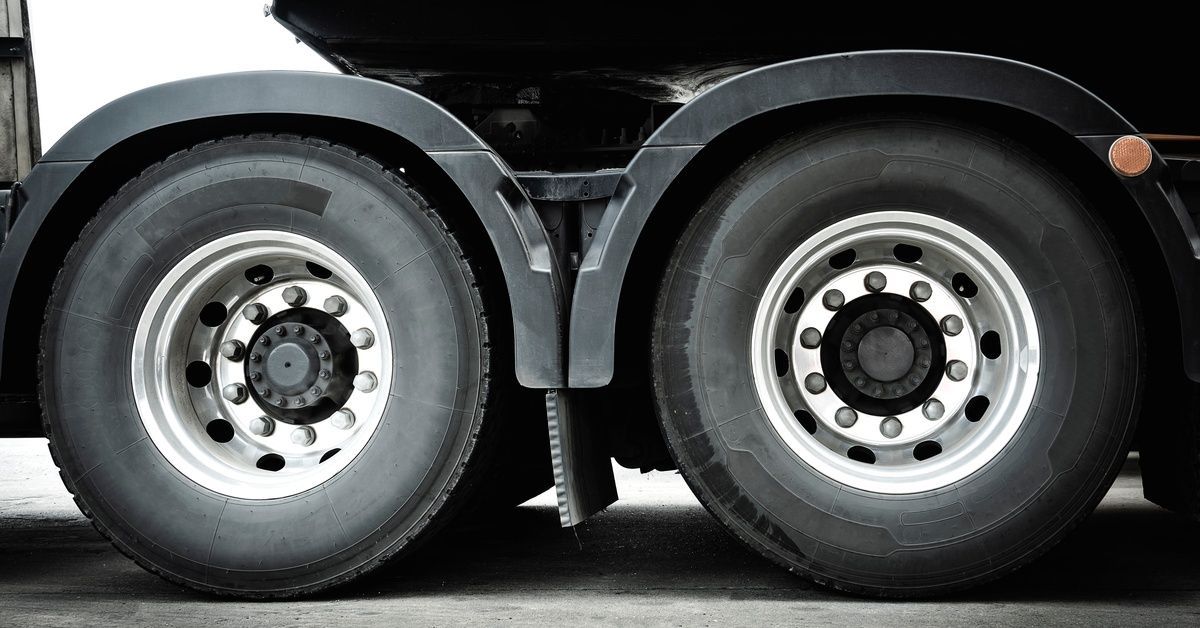
Your entire operation rides on just a few inches of rubber contacting the asphalt. Tires are arguably the most critical safety component on your truck, yet they are frequently neglected until a blowout occurs.
Measure Tire Pressure
A simple thump test isn’t enough for a long-haul run. Instead, grab a reliable pressure gauge and check every single tire. Under-inflation generates excessive heat, which destroys casings and creates blowouts. Over-inflation compromises your traction and wears out the center of the tread. You want that sweet spot specified by the manufacturer in your owner’s manual.
Inspect the Wheel Assembly
While you are down there, look closely at the wheels themselves. Problems here can result in wheel-offs, which are incredibly dangerous and a massive liability. Keep an eye out for these signs of trouble:
- rust streaks trailing from lug nuts, indicating looseness.
- cracks connecting lug holes or along the rim edge.
- missing or damaged valve stem caps that allow dirt ingress.
- uneven tread wear patterns that indicate alignment issues.
Test Stopping Power
Going fast is optional, but stopping is mandatory. Your brake system endures immense stress, especially when you are fully loaded and navigating steep grades.
Inspect the Undercarriage
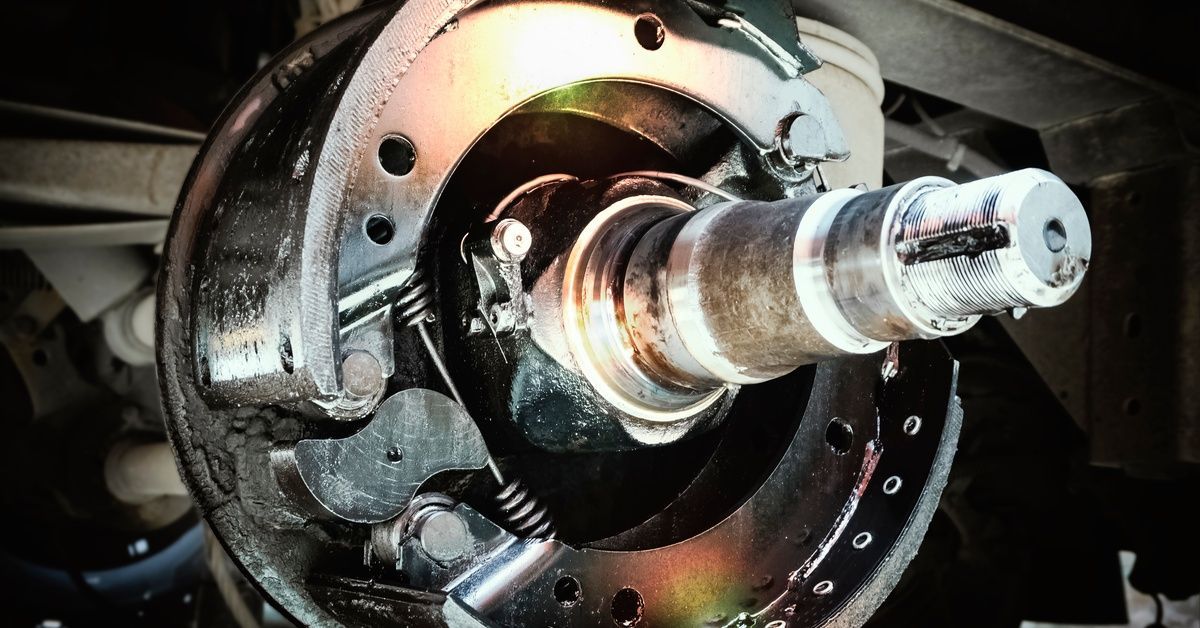
Crawling under the truck allows you to see the true condition of the shoes and drums. You need to verify that there is adequate lining material left on the pads. Metal-on-metal contact ruins drums and creates a fire hazard.
Perform a Leak-Down Test
The air system requires a leak-down test because a truck that loses air pressure cannot stop reliably. Listen for the hiss of escaping air when the brakes are applied and the engine is off. Also, check the air lines for chafing against the frame, cuts in the rubber, loose fittings, and concerning signs of aging.
Ensure Communication
You share the road with thousands of (often distracted) drivers, and your lights and horn are the only ways you can communicate your intentions to them.
Test the Lights
A burnt-out bulb is a magnet for DOT inspections and a huge safety hazard at night.
So turn on every light and do a walk-around. You need to check the high beams, low beams, turn signals, and brake lights. Additionally, check the marker lights along the top of the cab and down the side of the trailer.
Sound the Horn
Give the horn a quick blast to ensure it works. If the horn works only intermittently, sounds unusually quiet, or doesn’t respond at all, it likely needs inspection or repair.
Inspect the Payload Carrier
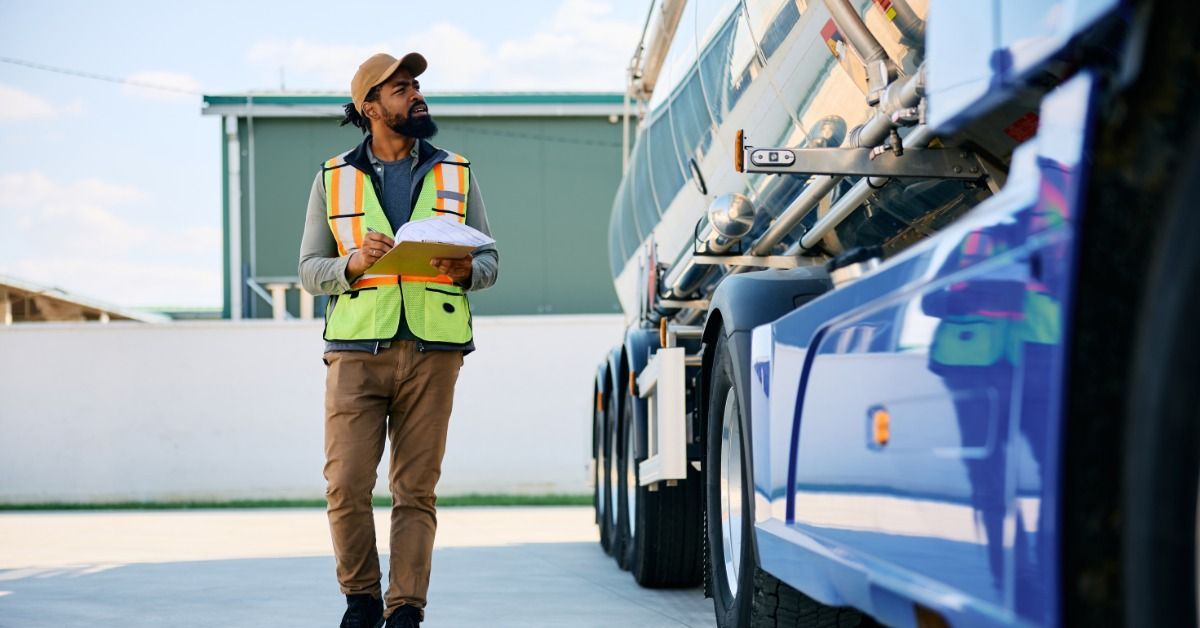
Before you hook up, inspect the kingpin and the apron. You want to see straight metal with no warping or cracks. On the trailer itself, check the landing gear. It should raise and lower smoothly without binding. Look at the cross members underneath for signs of rust or stress fractures. If you are hauling a tanker or a specialized flatbed, the structural integrity is even more critical.
Check Electrical Systems
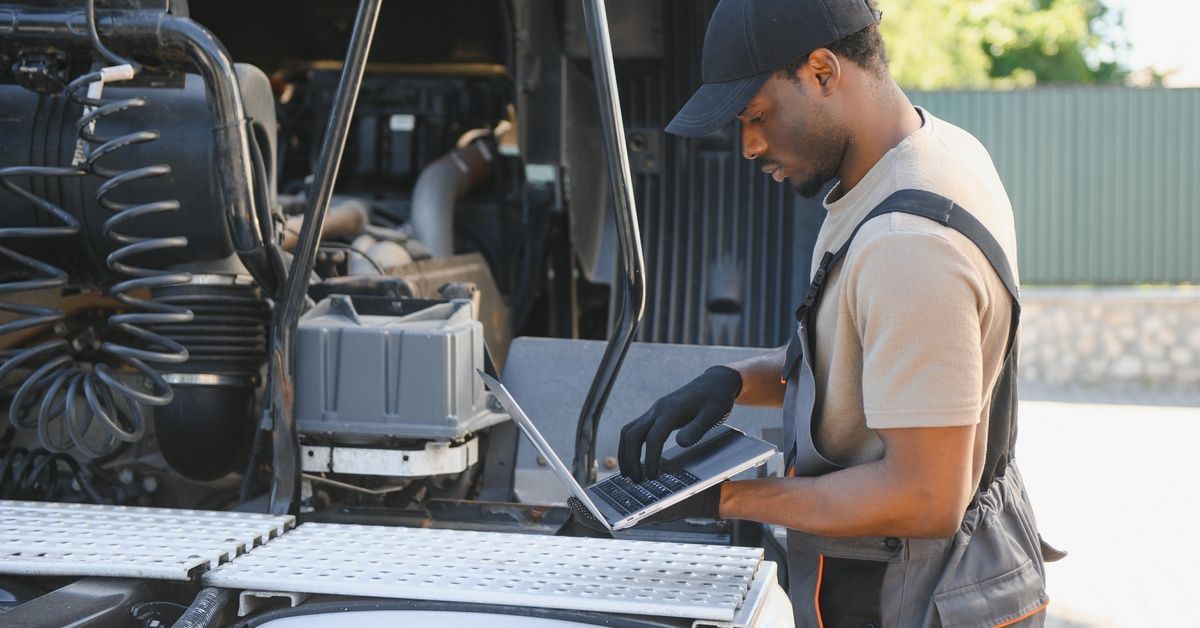
Modern trucks are rolling computers, and the electrical connections between your tractor and trailer must be solid.
Inspect Connectors
Inspect the pigtail connector specifically. Loose pins or a frayed cable will cause lights to flicker and ABS systems to fault out.
Clean the 7-way connector with a contact cleaner if you see green corrosion, and grease the connection points with dielectric grease to keep moisture out.
Test Batteries
Furthermore, test your batteries. Corroded terminals prevent the alternator from charging the batteries fully, so clean the posts and tighten the connections.
Perform a Final Walk-Around
Once the heavy lifting is done, the last step in preparing your truck for long-haul freight is to do a final lap. Look for anything that doesn’t look right. Maybe a mudflap is hanging by a thread, or a fuel cap is loose. Whatever you find, trust your gut. If something looks off, investigate it.
Address Repairs Immediately
If you spot damage during your inspection, fix it immediately. Ignoring a cracked weld or a bent axle invites disaster.
For those of you starting or running routes through West Texas, you have reliable options for getting any issues sorted out. You can visit Trailer Tech for trailer repair in Lubbock, TX, to handle everything from tanker inspections to aluminum welding. Our team understands how serious downtime is, and we have been keeping fleets moving since 1992.
A well-maintained truck commands respect on the road and at the dock. It shows you care about your safety and the safety of those around you. Take the time to prep right and get the necessary repairs, and the miles should roll by smoothly.