
Qualities To Look For in a Reliable Trailer Parts Supplier
If you manage a semitrailer fleet, you have a lot of tasks on your plate. One of those tasks is truck maintenance and repair, and to manage these processes effectively, you need a parts supplier you can trust. Otherwise, you risk not getting parts in time or receiving poor-quality components, causing downtime that costs money, contracts, and sometimes your reputation.
Instead, it pays dividends to find a reliable trailer parts supplier that can source and deliver the right parts in the right quantities to always have on hand. Below, we explore the qualities to look for so you can initiate a successful, stress-free vendor relationship.
Inventory Depth That Covers Your Needs
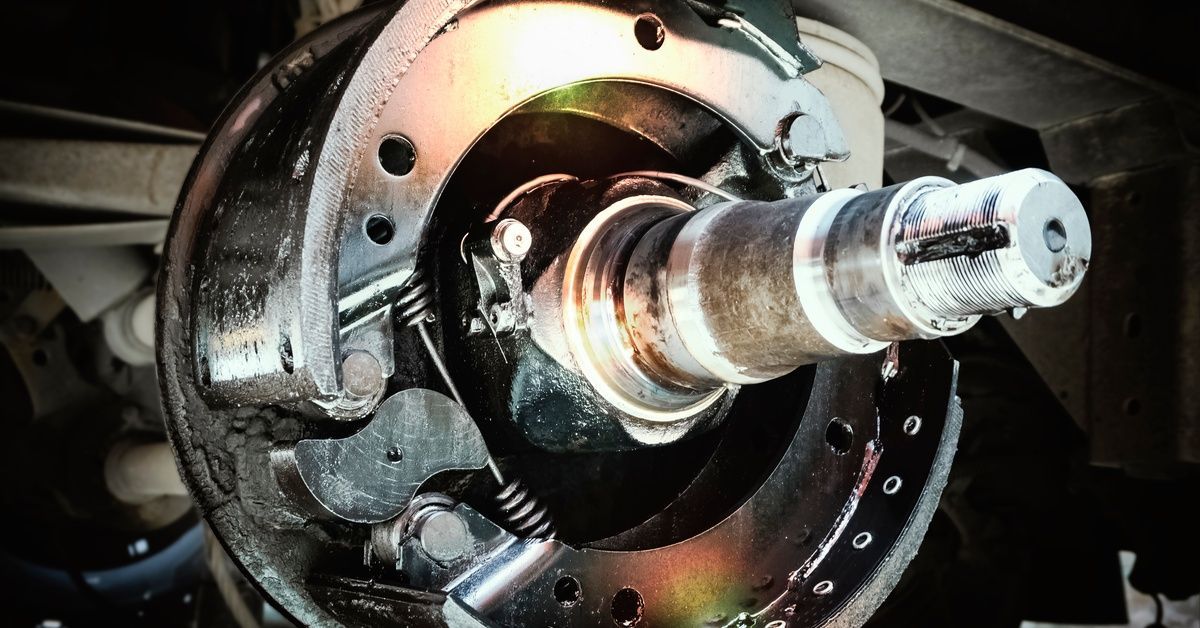
A supplier can have a neat website and a long product list, but if they’re consistently out of the parts you need, that alleged inventory won’t do you any favors. You want a supplier with a deep, consistent inventory across a wide range of components. That means axles, braking systems, suspension components, lighting, electrical hardware, landing gear, and more. If they’ve only got a handful of SKUs in stock and the rest is “available to order,” you risk waiting when you can least afford it.
Pro Tip
Ask vendors how they handle high-demand periods and what their typical in-stock fill rate looks like.
Fast, Predictable Lead Times
When a trailer goes down, every hour it’s off the road is a hit to your bottom line. If the truck needs a part to start moving again, then you need that part quickly and to know exactly when it will arrive.
A reliable supplier should be able to give you clear, honest lead time estimates and actually stick to them. And remember: You’re not looking for the fastest promise. You’re looking for the most accurate one. When your supplier consistently delivers on time, they reinforce your ability to plan maintenance windows, reduce emergency repairs, and keep drivers on schedule. Ask about a potential partner’s fulfillment process, warehouse locations, and shipping partners before you commit.
Part Quality and OEM Compatibility
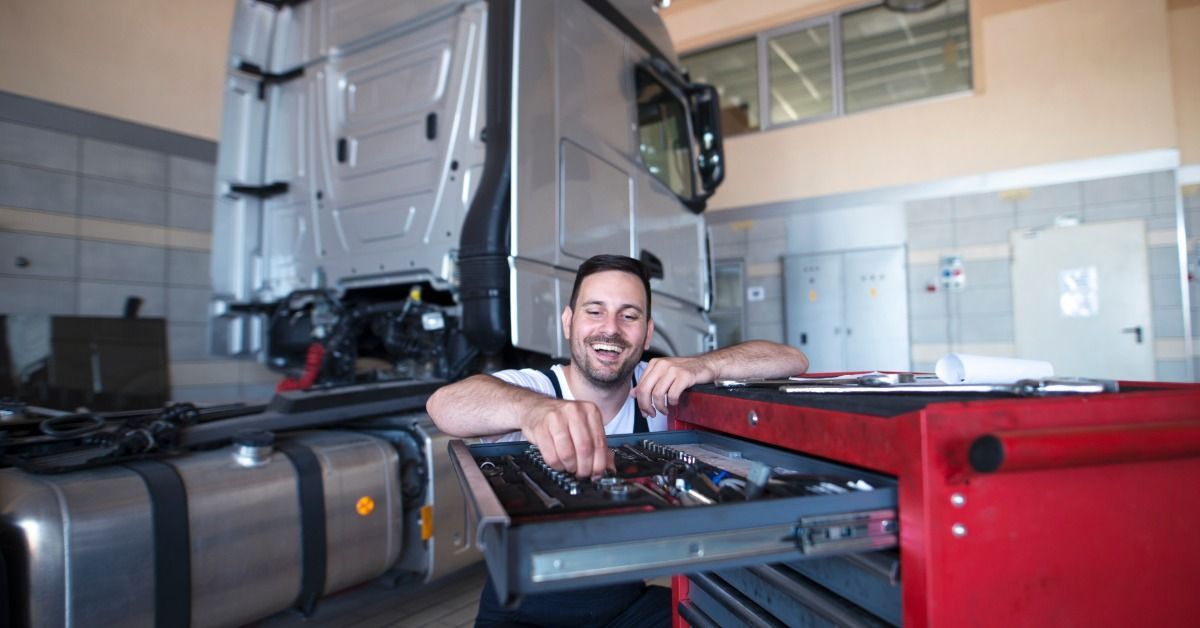
Not all parts are built the same, and fleet managers managing high-mileage equipment can’t afford to find that out the hard way. You want suppliers that can clearly communicate whether parts are OEM (original equipment manufacturer), OEM-equivalent, or aftermarket, and what that means for fit, performance, and longevity. Quality parts reduce repeat repairs, lower your total maintenance cost, and keep your drivers safer on the road.
A supplier that can’t answer parts-related questions confidently is a supplier that is either hiding something or doesn’t know their own inventory. You want to steer clear of both possibilities.
Knowledgeable Staff Who Understand Commercial Trailers
You need a supplier with a team that truly understands commercial trailer systems, one that isn’t just a group of professional order-takers. When you call in with a fitment question or need to cross-reference a part number, you shouldn’t hear any hemming and hawing.
You want a team that can speak intelligently about the equipment, ask the right follow-up questions, and help you get the right part the first time. And if you deal with mixed equipment across multiple trailer makes and models, that expertise can save you a lot of time and prevent costly wrong-part orders.
Transparent Pricing Without Hidden Fees
Pricing surprises are frustrating and a fast way to blow a parts budget. A trustworthy supplier is upfront about unit pricing, minimum order quantities, shipping costs, and any handling fees before you check out. You should also inquire about volume discounts, or better yet, see the option communicated through the supplier’s website or a sales rep without you asking first.
Essentially, you shouldn’t have to fight to unlock a reasonable deal. If a supplier’s pricing is exorbitantly high, if you feel nickel-and-dimed, or if their invoices never quite match what they quote you, walk away. Those are signs that their internal processes are disorganized or dishonest, and that you’ll eventually notice how those qualities don’t stay confined to their pricing.
A Strong Return and Warranty Policy

Even with a great supplier, parts occasionally arrive damaged, incorrect, or defective. What matters is how the supplier handles it. You want a clearly written return policy with reasonable timeframes and a warranty structure that protects you.
Suppliers that make returns complicated or that push back on warranty claims are suppliers that are fine taking your money but not standing behind their products. So before buying from a new vendor, ask to see their return and warranty documentation in writing.
Consistent Availability for High-Volume Orders
If you’re managing a large fleet, you’re probably not buying one part at a time. Therefore, you need a supplier that can fulfill high-volume orders consistently, not just on a good week.
Ask about their capacity for bulk orders, how they handle fleet accounts, and whether they offer dedicated account management. Some suppliers reserve better service for their biggest customers, which is worth knowing upfront. If they can’t handle your volume reliably, you’ll end up splitting orders across multiple vendors, which creates its own set of coordination problems.
A Track Record You Can Verify
A good company will have the word of mouth and paper trail to prove its quality. Start by checking how long the company has been in business, whether it has industry affiliations, and what its online reviews say about consistency and customer service.
A supplier that has been around for years and has a solid base of repeat commercial customers is a fantastic sign. New suppliers can be fine, but they pose more unknowns, and your fleet operations probably don’t need more unknowns.
What To Do With This Information
Choosing a trailer parts supplier is investing in a relationship, not a one-time transaction. By knowing what qualities to look for in a reliable partner, you can get depth, consistency, honesty, and expertise. If a vendor checks those boxes, you’ll spend less time chasing parts and more time keeping trailers moving.
When you’re ready to source semitrailer parts from a supplier that really understands fleet operations, check out Trailer Tech. We can support fleets across Midland, Odessa, Wolfforth, and Lubbock, Texas.