
How Part Availability Impacts Truck Repair Turnaround Time
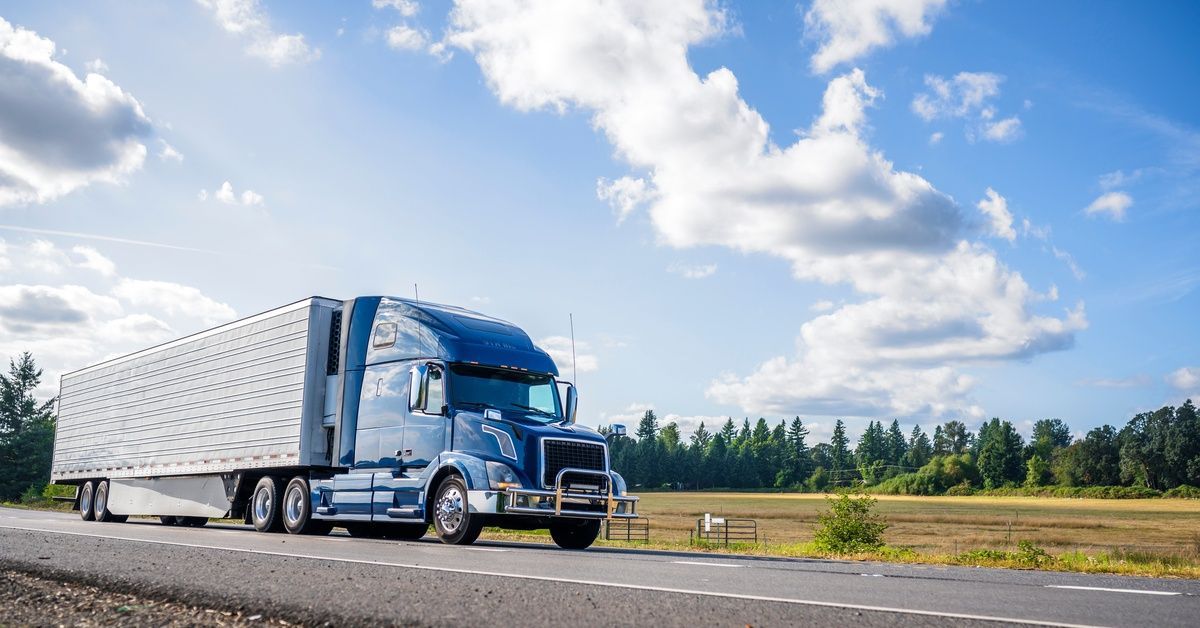
A truck sitting in the shop is a truck that isn’t making your operations move along and make money. It pays to keep all of your fleet on the road, and if you’re serious about that goal, you must home in on part availability. Let’s explore how part availability impacts truck repair turnaround time so you can be in a better position to reduce downtime before it starts.
Why Parts Are the Bottleneck
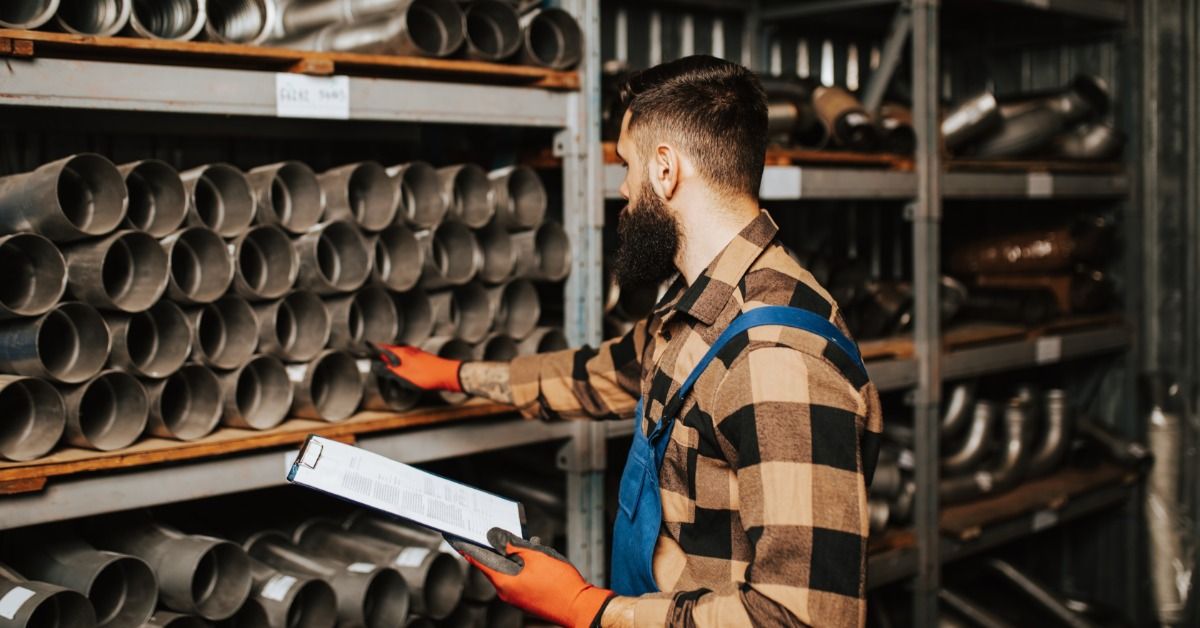
When a truck comes in for repairs, the labor is rarely what holds things up. Skilled technicians can diagnose problems quickly and get to work almost immediately. What stops them is waiting on parts. A shop with strong parts inventory keeps your truck moving through the repair process without unnecessary pauses. Meanwhile, a shop without that inventory turns what should be a two-day job into a week-long wait.
And the issue goes deeper. Parts availability isn’t just about what’s on a shelf. It also involves supplier relationships and stocking strategies. Shops that ensure they always stock high-demand parts for common truck and trailer models don’t have to place an emergency order every time something fails. That speed compounds efficiency.
The Real Cost of Waiting on a Part
Every day a truck sits idle, you’re losing money in multiple ways. For one, you’re losing the revenue that truck would have generated. Secondly, you’re paying for a driver who may be sitting idle. Thirdly, you’re potentially paying for emergency freight or a rental unit to cover the gap. And lastly, you’re dealing with the operational ripple effect on your broader schedule.
For a single truck, a three-day wait on a part might cost you thousands in lost productivity. Multiply that across multiple vehicles or multiple repairs in a month, and the impact on your bottom line is impossible to ignore. Part availability is a big problem, and it deserves your attention when you’re deciding where to send your trucks for repairs.
How Shops Source Parts Differently
Not all shops source parts the same way, and the differences show up in your wait time. Here are a few methods to familiarize yourself with:
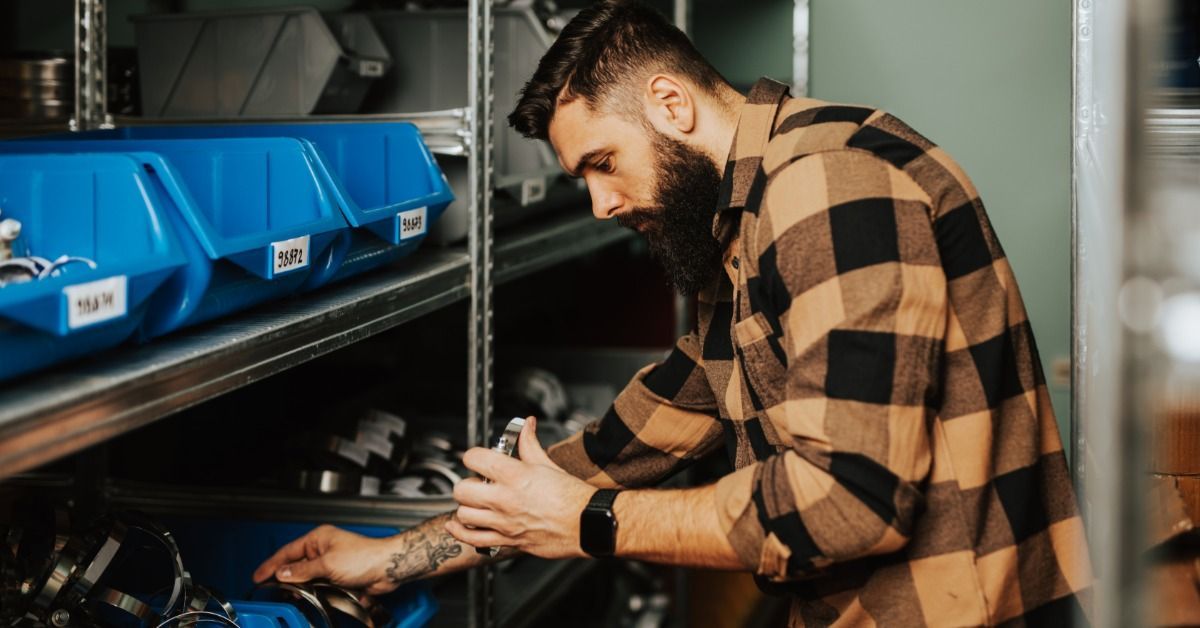
- Local inventory: Shops that stock parts on-site can begin repairs immediately after diagnosis, with no shipping delays involved.
- Supplier networks: Shops with established supplier relationships can often get parts same-day or next-day through local distribution channels.
- OEM vs. aftermarket: Some shops rely on OEM parts that have longer lead times, while others stock quality aftermarket components that are more widely available.
- Emergency ordering: Shops without strong inventory management fall back on emergency ordering, which is the least efficient and most expensive route.
When you’re evaluating a repair shop, asking about their parts sourcing process is a smart move. It tells you a lot about how they operate and how quickly your trucks will be back in service.
Common Parts That Cause the Longest Delays
Certain components are more prone to availability issues than others. Knowing which ones are problematic helps you have better conversations with your shop and prepare accordingly. Here’s what your chosen repair shop should always have on hand:
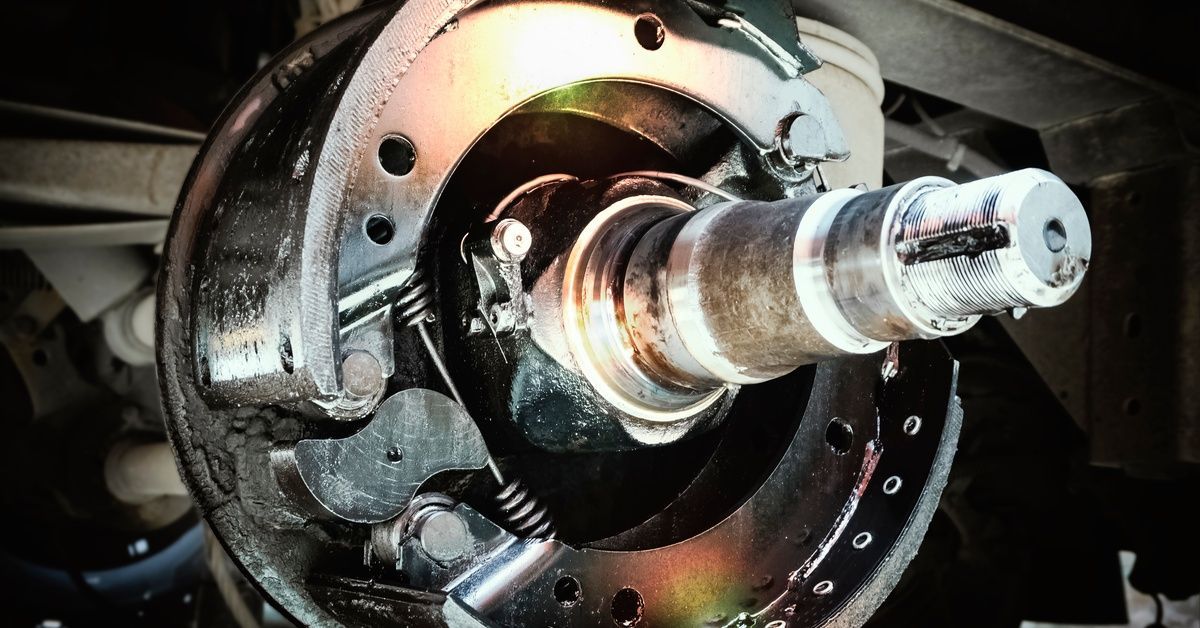
- Brake system components, including drums, shoes, and slack adjusters.
- Suspension parts, particularly airbags and bushings.
- Electrical components like sensors and control modules.
- Trailer-specific parts, such as landing gear, kingpins, glad hands, and mud flap brackets.
If your repair shop isn’t specifically set up for trailer work, it may not carry all the necessary items, which adds time to the repair process that you perhaps cannot afford.
What Proactive Fleet Managers Do Differently
The best fleet managers don’t wait for a breakdown to think about parts. They build relationships with shops that have strong inventory and communicate with those shops proactively about their fleet’s needs.
Some fleet managers share their vehicle roster with preferred repair shops so those shops can anticipate what parts they’re most likely to need. Others schedule preventive maintenance on a set rotation so wear items get replaced before they fail, reducing the chance of an emergency repair requiring a hard-to-find part.
Overall, staying ahead of maintenance gives you more flexibility with timing. Emergency repairs under pressure leave you at the mercy of whatever part a shop can find. On the other hand, scheduled work gives your shop time to order anything they don’t have on hand.
How To Evaluate a Shop’s Parts Inventory Before You Commit
You don’t have to guess whether a shop has what you need. Ask directly. A shop that’s transparent about its inventory and sourcing process is a shop you can trust.
Good questions to ask include the following:
- What brands and models do you specialize in?
- Do you stock parts on-site, or do you order when needed?
- What’s your average turnaround time on common repairs?
- Do you have supplier accounts that allow for same-day or next-day parts delivery?
The answers tell you whether a shop is truly built for fleet work or merely advertised as such. Fleet work demands fast parts access, and the best shops for fleet managers are built around that reality.
Turn Your Shop Relationship Into a Turnaround Advantage
Your relationship with your repair shop plays a huge role in how fast you get trucks back. Shops often prioritize customers they know, and when a shop knows your fleet, they can stock accordingly. Building a long-term relationship with a shop that specializes in your type of equipment could keep you out of the back of the line when parts are scarce.
Communication matters here. Let your shop know about recurring issues you’re seeing across your fleet. If you’re consistently replacing the same components, a good shop will work with you to keep those parts stocked and ready.
Get Your Trucks Back Faster
Part availability shapes truck repair turnaround time more than almost any other variable, and knowing that gives you leverage. But if you work with Trailer Tech for fleet repairs, you won’t have to stress. We stock an extensive inventory of trailer parts in Lubbock, Texas, so your trucks and trailers won’t wait on a shipment while your schedule falls apart. When you bring your fleet to us, we’ll be ready to get to work and get you back on the road faster than you would be anywhere else.