
How Trailer Suspension Problems Affect Cargo Safety
You’ve loaded your semitrailer’s freight by the book. The cargo is neatly and securely stacked, strapped down, and ready to roll. But if the suspension system underneath that trailer isn’t working right, this prep work isn’t as helpful as you might think. Trailer suspension problems cause a host of issues, including rough riding, worn-out tires, frame stress, and more. These problems put you and other drivers on the road at risk, and they can also damage whatever you’re hauling.
If you’re running freight professionally or managing a fleet, read on to explore everything you need to know about how trailer suspension problems affect cargo safety.
How Suspension Systems Distribute Load
The suspension system isn’t just there to absorb bumps. It distributes the weight of your cargo evenly across all axles and keeps your trailer stable at highway speeds and in turns. When it’s working right, the load stays balanced, your tires wear evenly, and your frame isn’t carrying stress it wasn’t built to handle.
Most commercial trailers use one of three suspension setups: leaf spring, air ride, or rubber torsion.
- Leaf spring systems use stacked metal springs to absorb road shock and support load weight.
- Air ride systems use pressurized air bags to cushion the trailer and can be adjusted based on load.
- Rubber torsion axles use independent rubber cartridges to absorb impact at each wheel.
Each system has different tolerances and different effects on cargo when something goes wrong.
What Happens When Suspension Systems Fail
If your truck’s suspension system fails, you might end up with a trailer that sags to one side or that suddenly collapses, sending your cargo flying. Either way, the cargo you’re trying to transport safely might not arrive in good shape if your suspension creates unstable conditions for it.

Axle Alignment, Tire Wear, and the Related Cargo Stress
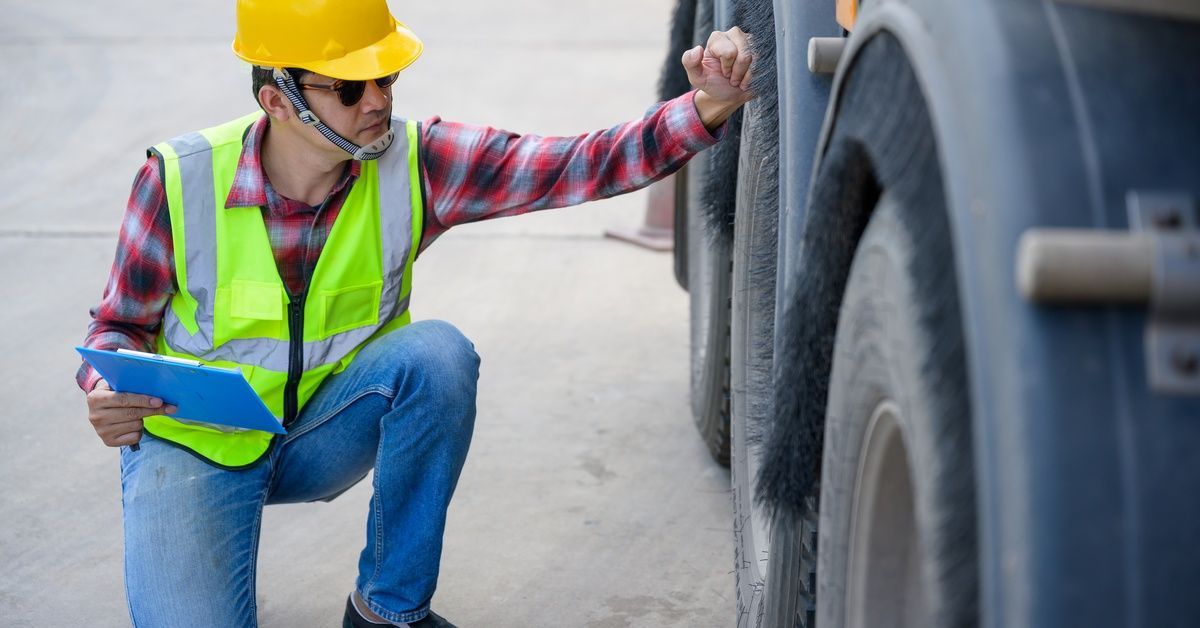
Suspension problems almost always show up in tire wear patterns before anything else, and that’s where many operators catch problems early. When your axles are out of alignment, your tires scrub across the pavement instead of rolling true.
Scrubbing tires wear down fast, but the bigger concern is what misalignment does to your handling. A trailer that’s dog-tracking, meaning the rear axles are running at an angle to the direction of travel, creates drag and instability. At highway speed, that instability can make the trailer harder to control in crosswinds or during emergency maneuvers.
From a cargo safety standpoint, an out-of-alignment trailer puts lateral stress on your cargo during every mile. Straps and load bars are designed for the forces that act on cargo during straight-line travel and braking. When the trailer is pulling sideways, those forces change, and securing equipment that was adequate at the time of load inspection may not stay adequate through a full run.
The Connection Between Suspension, Braking, and Freight
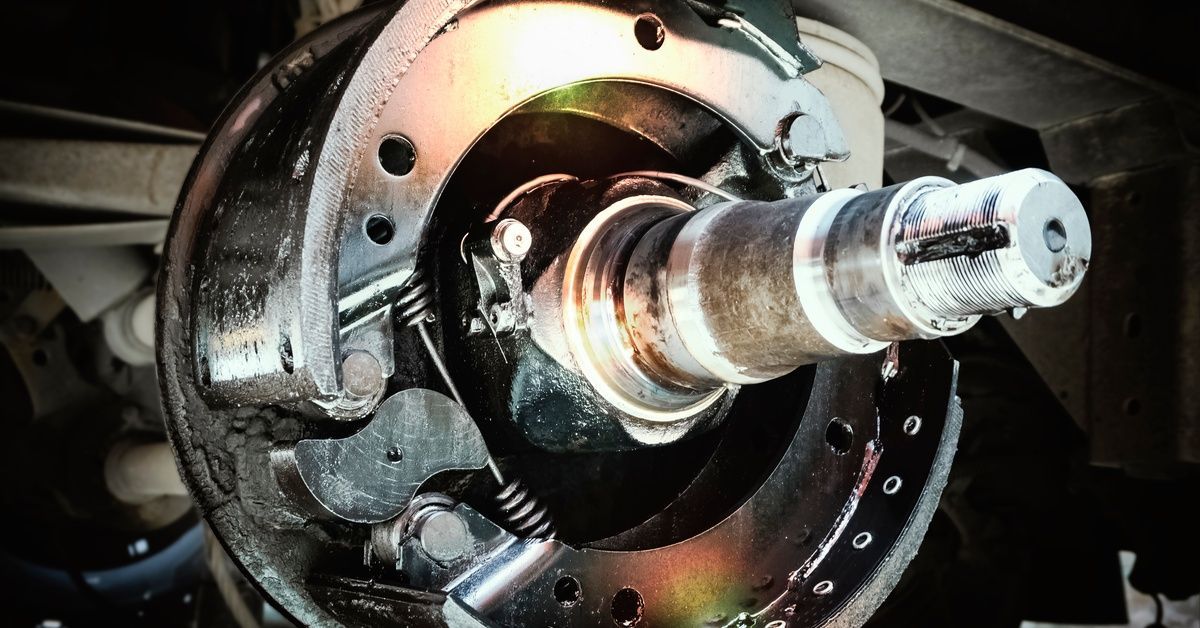
Your suspension system and your braking system aren’t independent of each other. On air ride trailers especially, suspension height affects brake geometry. If the ride height is wrong because of a deflated bag or a broken component, the angle at which your brake chambers operate changes. That affects brake force and can cause uneven braking across axles.
Uneven braking is a cargo safety problem. When one axle grabs harder than another, it introduces rotation forces into the trailer. On a lightly loaded or top-heavy trailer, that can contribute to trailer swing or jackknifing conditions. And you’re not going to get a warning light telling you that your brake geometry is off because your suspension failed. You’ll feel it in the trailer’s behavior, usually at the worst possible time.
The Cost of Suspension-Related Cargo Damage
Suspension issues that damage your freight are as much financial headaches as they are safety risks. Cargo claims are expensive, and carriers with a pattern of cargo damage have a harder time holding contracts with high-value shippers. A single load of damaged electronics, pharmaceuticals, or precision equipment, for example, can generate a claim that costs more than months of proper maintenance.
Beyond cargo claims, suspension-related breakdowns on the road are expensive. Emergency roadside repairs cost significantly more than shop repairs done on a schedule. Towing a loaded trailer isn’t cheap, and if the breakdown happens in a way that creates a safety incident, you’re also looking at out-of-service orders, DOT involvement, and potential liability.
The math on deferred maintenance always comes out the same way. Fixing a worn suspension component before it fails costs far, far less than dealing with the consequences after it does.
Inspection Intervals To Abide By
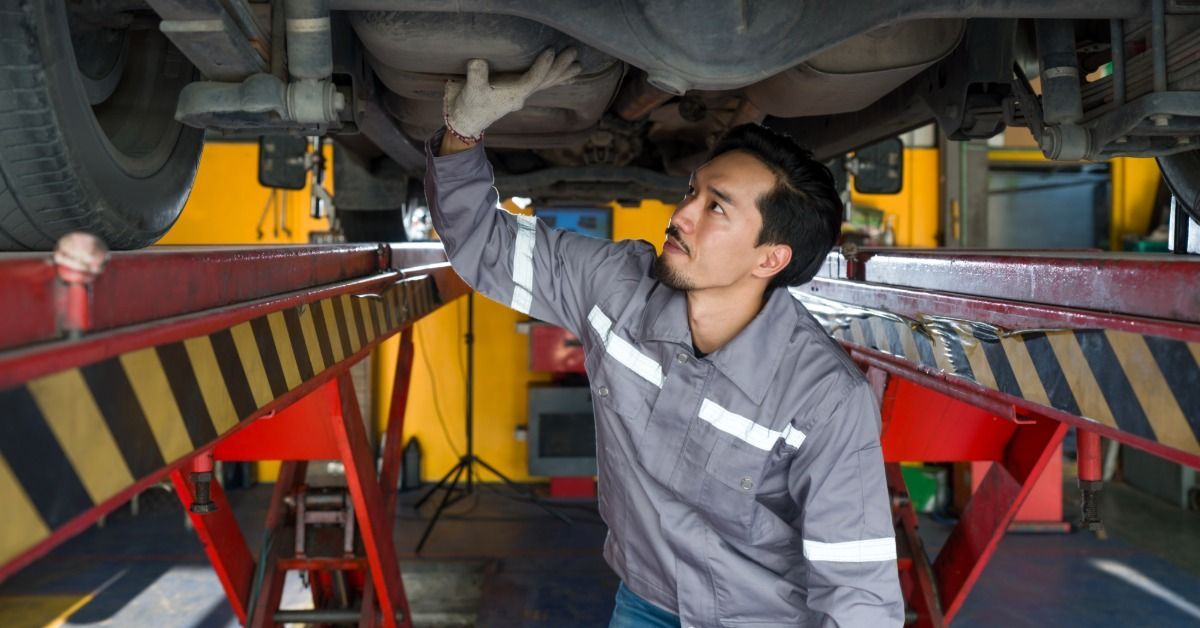
What does your semitrailer inspection schedule look like now? If you’re getting annual inspections, that’s great, but it’s also not enough. Waiting a whole year between professional examinations might mean waiting until an issue is well-developed before catching it. You need a few more checks scheduled throughout the year, especially if you drive your trailer often and always with a heavy load.
Here’s what a practical inspection routine should cover, depending on your trailer’s design:
- Check leaf spring condition for cracks, shifted leaves, and center bolt integrity at every 25,000 miles or quarterly, whichever comes first.
- Inspect air bags for abrasion, cracking, and proper inflation at every pre-trip on air ride equipment.
- Check torque arm bushings and mounting hardware for looseness or wear at every 50,000 miles.
- Inspect axle alignment by measuring tire scrub and checking for dog-tracking at every 50,000 miles or any time you see uneven tire wear.
- Check hanger brackets and spring seats for cracks or deformation at every major service interval.
And don’t forget to keep records of these inspections. If a cargo claim or safety incident ever leads to a legal review, documented maintenance history could protect you from severe consequences.
Put Your Trailer’s Suspension in the Right Hands
Now that you know how trailer suspension problems affect cargo safety, it’s time to make a plan for mitigating these problems and addressing them quickly if they do occur. For both of these tasks, you need the help of trusted technicians who understand commercial trailer systems. The tolerances on trailer suspension components are specific, and incorrect repairs or wrong-spec replacements might create more problems. For example, a leaf spring installed with the wrong rating for your trailer’s gross vehicle weight doesn’t give you the load distribution you need. Likewise, an air bag replaced without checking the ride height calibration won’t fix the underlying geometry issue.
At Trailer Tech, we handle semitrailer repairs across suspension systems, axles, brakes, structural components, and more, all with the equipment and experience to get your trailer back to spec. We can also provide maintenance and regular inspections to prevent suspension issues from happening in the first place. Whatever your needs are, get in touch. We’ll diagnose your truck’s or fleet’s suspension correctly and make the right fixes so that your cargo can ride the way it’s supposed to.