
Steel vs. Composite Brake Drums: What’s the Difference?
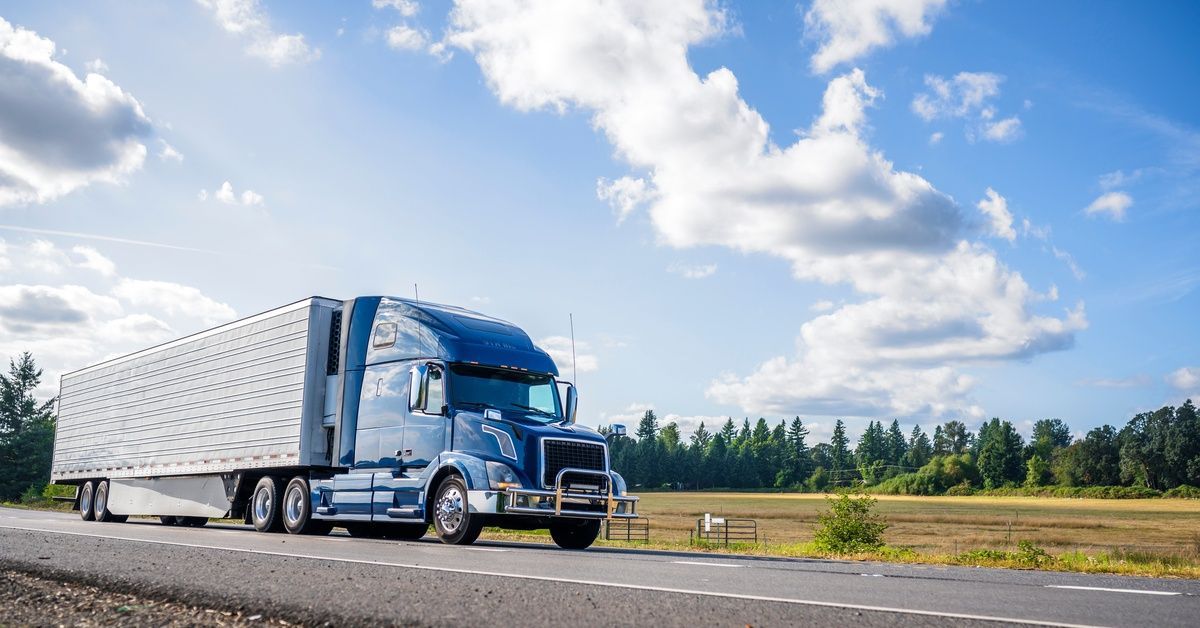
Stopping a bulky, fully loaded semitruck is no easy task. These vehicles are massive and therefore need heavy-duty brake systems that are powerful enough to rein in all that force at the touch of a pedal. Brake drums play a key role in that system, and these are not one-size-fits-all parts. Specifically, brake drums can vary in material, which affects how well they handle heat, how long they last, and how much they weigh. We are here to explore the difference between steel and composite brake drums so you can make the right call for your rig or your fleet.
Steel Brake Drum Basics
Steel brake drums have been the standard in commercial trucking for decades, and there’s a reason they’ve stuck around. These drums are made entirely from gray cast iron, which gives them a dense, uniform structure throughout. That consistency means the braking surface and the drum body expand and contract together as temperatures change, which reduces the risk of uneven wear or stress cracking.
Composite Brake Drum Basics
Composite brake drums use a two-material construction. The outer shell is typically made from steel, while the inner braking surface is made from gray cast iron. This hybrid design lets manufacturers cut weight without sacrificing the wear resistance you need where friction occurs.
Heat Dissipation: Where the Differences Show Up Most
Heat management separates these two drum types more than any other factor. Commercial brake systems generate enormous amounts of heat when applied, particularly on grades or in stop-and-go urban routes. How your drum handles that heat can partially determine how your brakes perform.
Steel Drums
Steel drums conduct heat more uniformly throughout the drum body due to their single-material construction. The heat builds up during braking and dissipates gradually as the drum cools. On long downhill grades, this can result in brake fade if the drum absorbs more heat than it can release before the next brake application.
Composite Drums
Composite drums handle heat differently. The steel outer shell dissipates surface heat faster than cast iron does, which helps the drum cool between braking events. For routes with frequent stops or significant elevation changes, this can translate into more consistent brake performance over the course of a run.
That said, composite drums have a lower maximum operating temperature than fully steel drums. Sustained, extreme heat from repeated hard stops can weaken the bond between the steel shell and iron liner faster than the same conditions would affect a steel drum.

Weight and Payload Implications
Every pound you save on components is a pound of payload you can carry. A typical steel brake drum for a commercial truck can weigh anywhere from 80 to over 100 pounds per drum, depending on the axle position and drum diameter. Composite drums offer a meaningful advantage here, as they weigh 20 to 30 pounds less per drum than their steel counterparts. Across a full truck, that reduction in unsprung weight can add up to hundreds of pounds saved.
For operations that are frequently running close to gross vehicle weight limits, any weight reduction can create some much-needed breathing room. And over a fleet of 20 or 30 trucks, that weight reduction can have a huge impact on revenue-generating payload per trip.
Fuel economy also responds to reduced rotating mass. Lighter drums reduce the rotational inertia the drivetrain works against, which has a small but notable effect on fuel consumption over long hauls.
Maintenance and Service Life Considerations
How long does each type of brake drum last, and how does maintenance play a role?
Steel Drums
Steel drums generally last longer in demanding applications when paired with proper maintenance. They can handle higher abuse thresholds, tolerate more heat cycles, and are less sensitive to manufacturing variability.
Also, when they wear, they give you the option of machining before replacement. When the braking surface wears down, a shop can turn the drum on a brake lathe to restore it to spec, often giving you one or two more service cycles before replacement is necessary.
Composite Drums
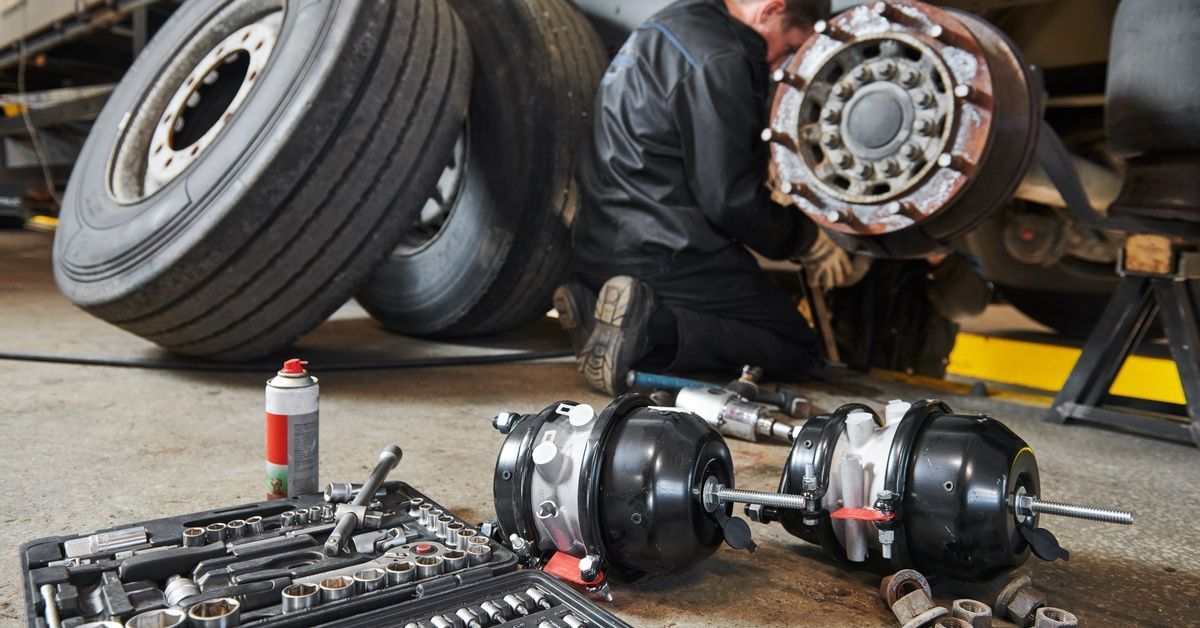
Composite drums require inspection practices that steel drums don’t. You need to check specifically for signs of shell separation, which can appear as a visible gap, a ringing sound when tapped, or uneven braking response. Standard drum thickness measurements apply to both types, but composite drums add a layer of inspection complexity that technicians need to be trained to identify.
Moreover, replacement cost per drum is typically higher for composite than steel, though the weight benefits and potential fuel savings can offset that premium. High-mileage, weight-sensitive fleets tend to see a decent return on that investment.
Application Matching: Which Drum Type Fits Your Operation
There’s no single answer that covers every application. The right choice depends on what you’re hauling, where you’re running, and what you’re optimizing for.
Steel drums can be the better fit when any of the following apply:
- You operate in severe-duty conditions with repeated hard stops.
- Your routes include extreme grades or high-heat braking.
- You want maximum tolerance to manufacturing variability and lower unit cost.
- Your maintenance operation benefits more from drum reconditioning over outright replacement.
On the other hand, composite drums could be the better fit in the following scenarios:
- You’re frequently running near gross vehicle weight limits.
- Your routes involve consistent stop-and-go braking rather than extreme heat events.
- You’re optimizing for fuel economy across a large fleet.
- Your drivers and technicians can handle the increased maintenance needs.
Keep in mind that mixed fleets sometimes run both types across different vehicle classes within the same operation. They focus on matching the drum to the duty cycle of each unit rather than standardizing across the board, and this can be the most optimized approach.
Get the Right Brake Drums for Your Truck
Understanding the difference between steel and composite brake drums puts you in a better position to have an informed conversation with your parts supplier and make a confident purchase. Both drum types have a place in commercial trucking, and the right choice comes down to your specific duty cycle, route profile, and maintenance capabilities.
If you need help sourcing brake drums and other commercial truck parts for your fleet, work with Trailer Tech. We are a parts supplier and semitruck repair partner that specializes in heavy-duty commercial applications. We support drivers and fleets across West Texas.